
Multi-Region Field Operations, ISCBC
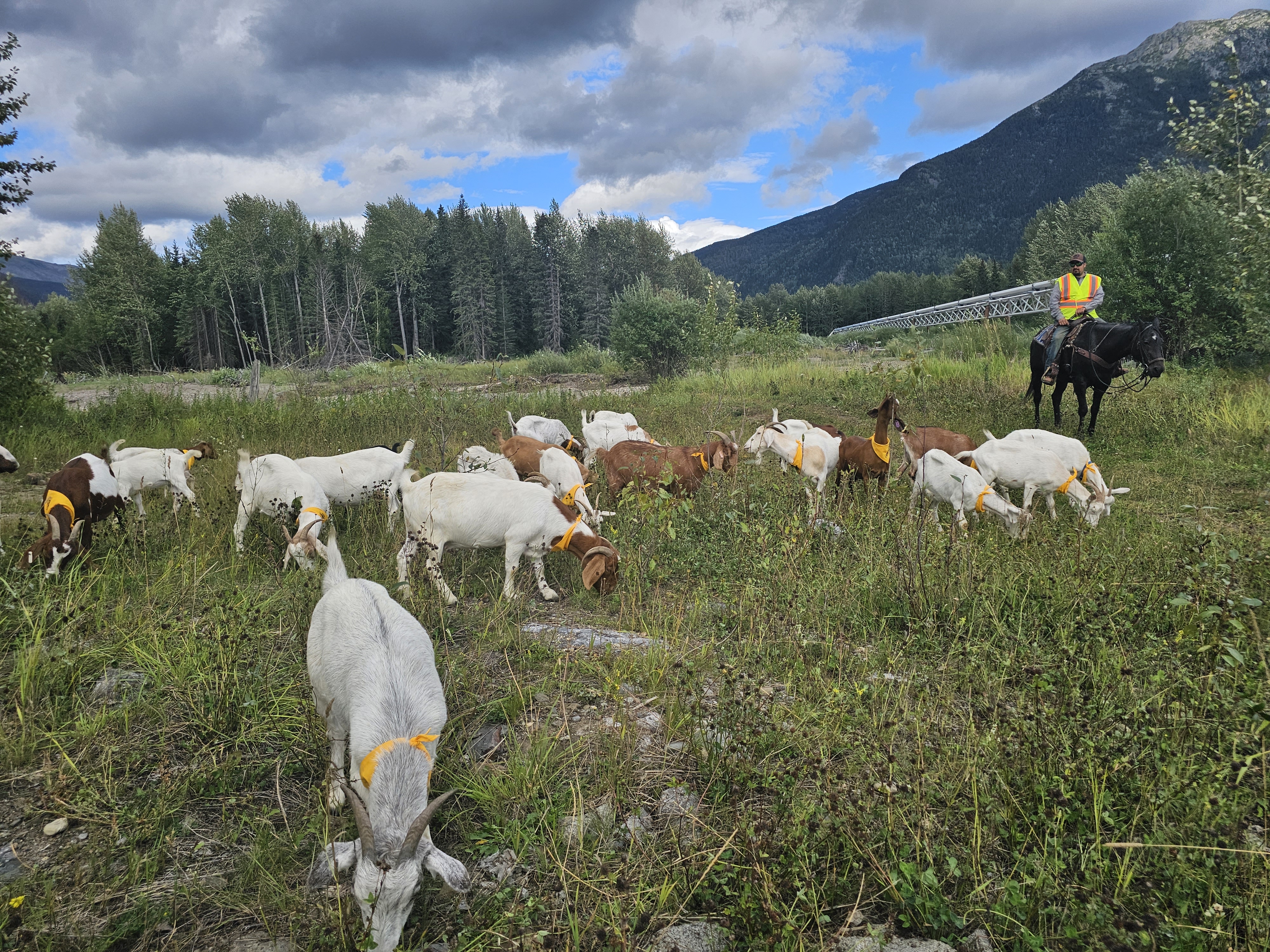
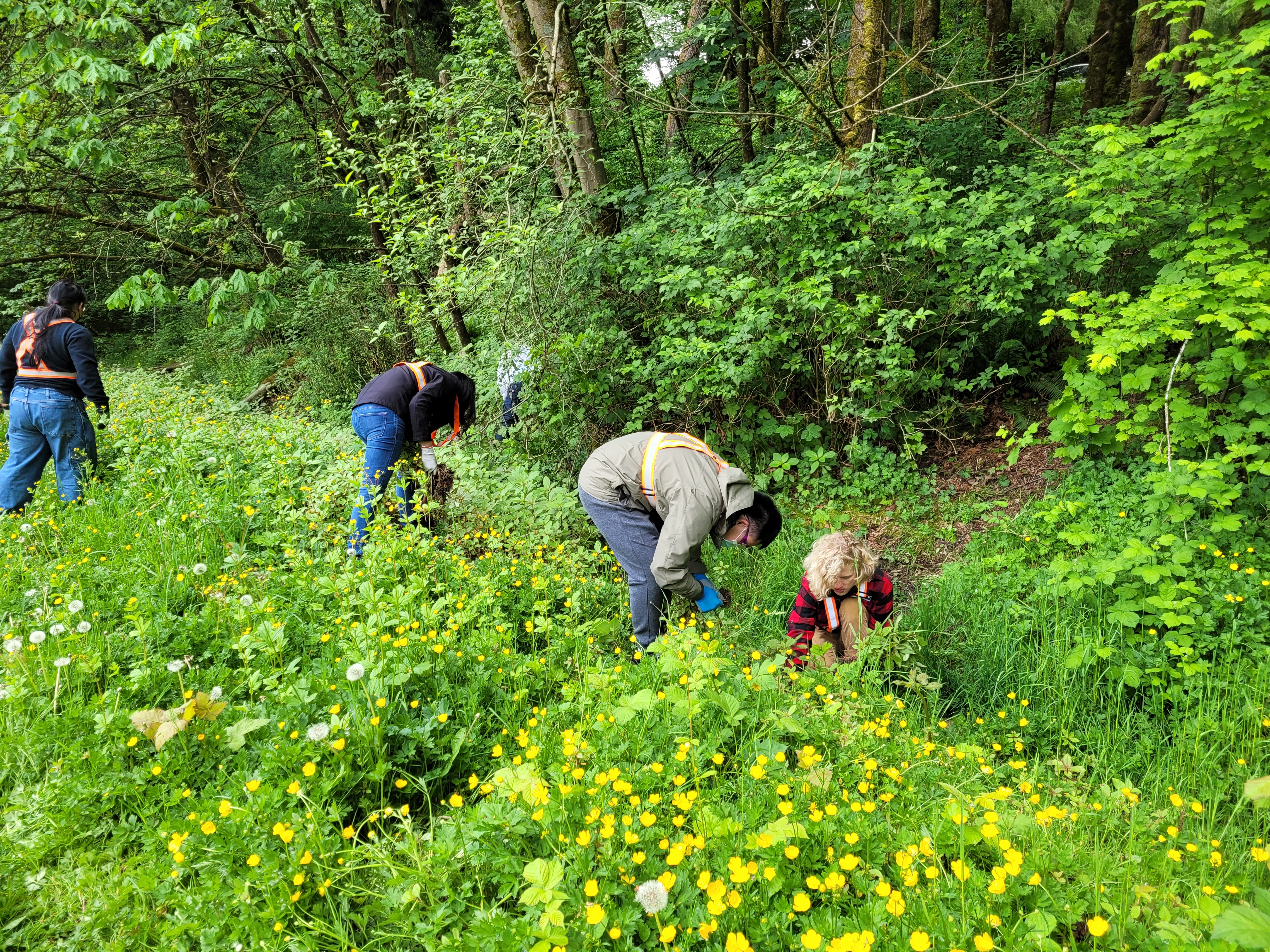
Directed five concurrent seasonal field crews across Vancouver Island, the Lower Mainland, and the Cariboo — 50+ treatment and restoration sites managed, 30+ environmental site assessments completed, and crew training programs developed as reusable ISCBC materials.
Multi-Region Field Operations, ISCBC
Directed five concurrent seasonal field crews across Vancouver Island, the Lower Mainland, and the Cariboo — 50+ treatment and restoration sites managed, 30+ environmental site assessments completed, and crew training programs developed as reusable ISCBC materials.
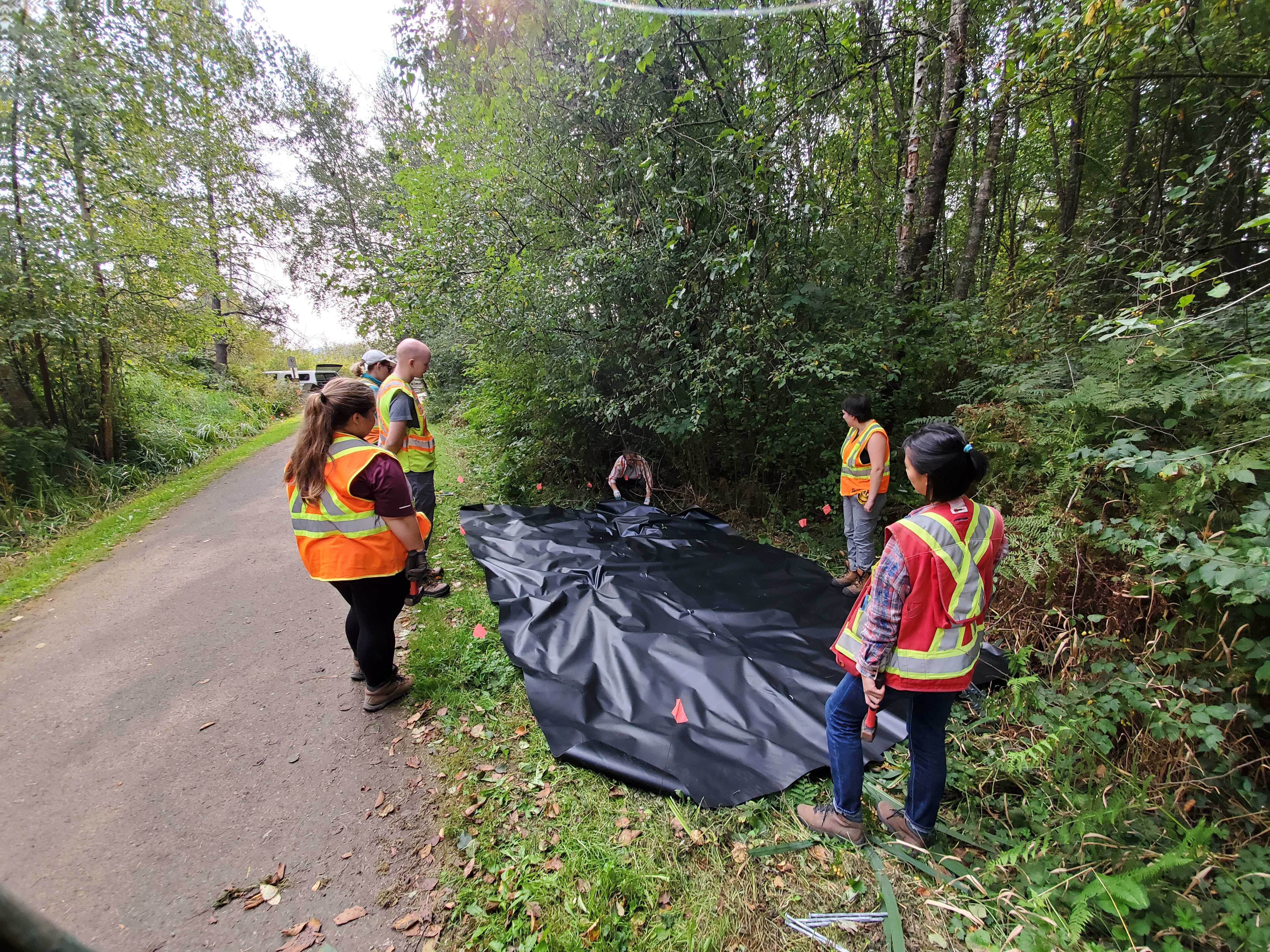
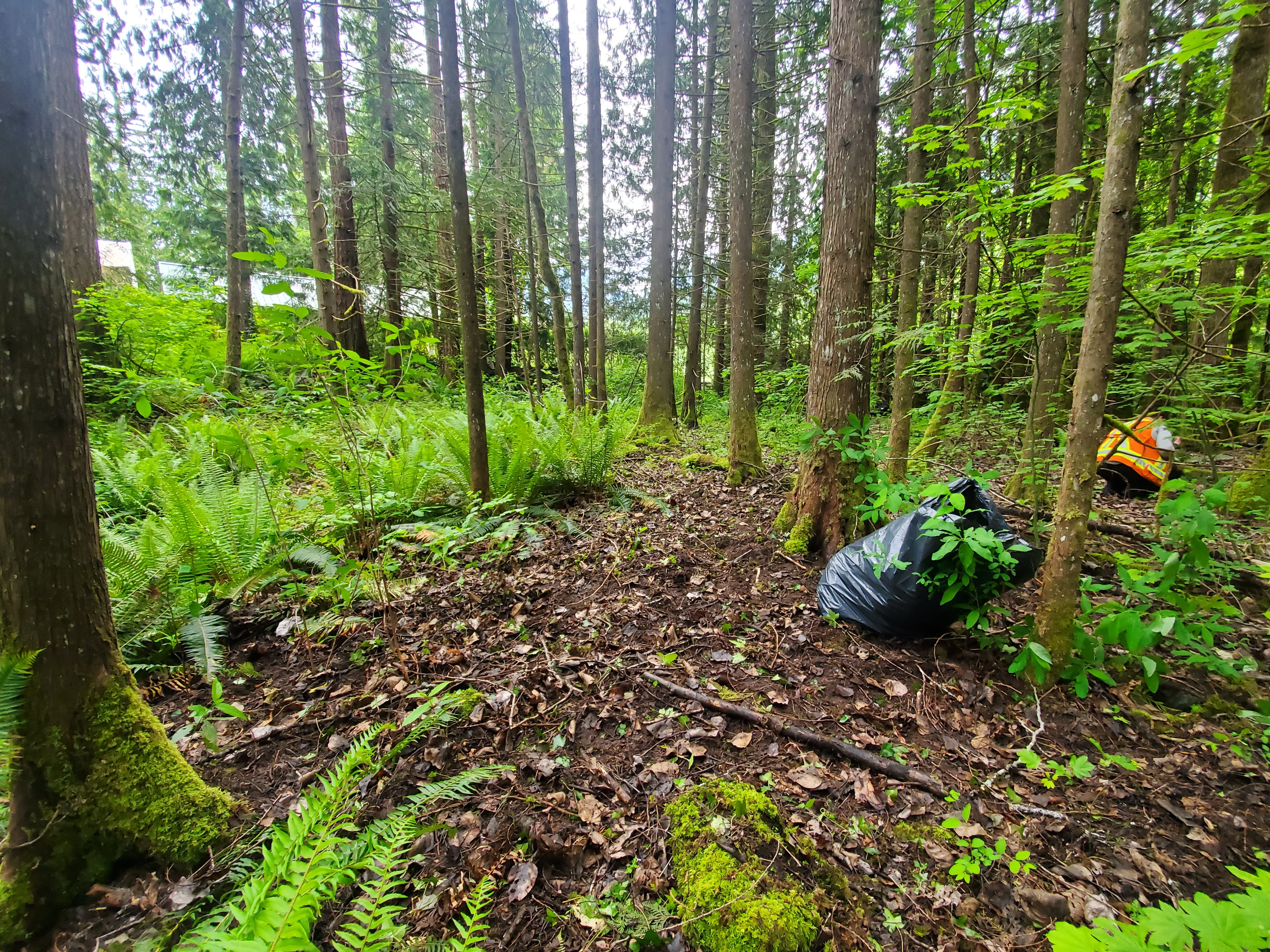
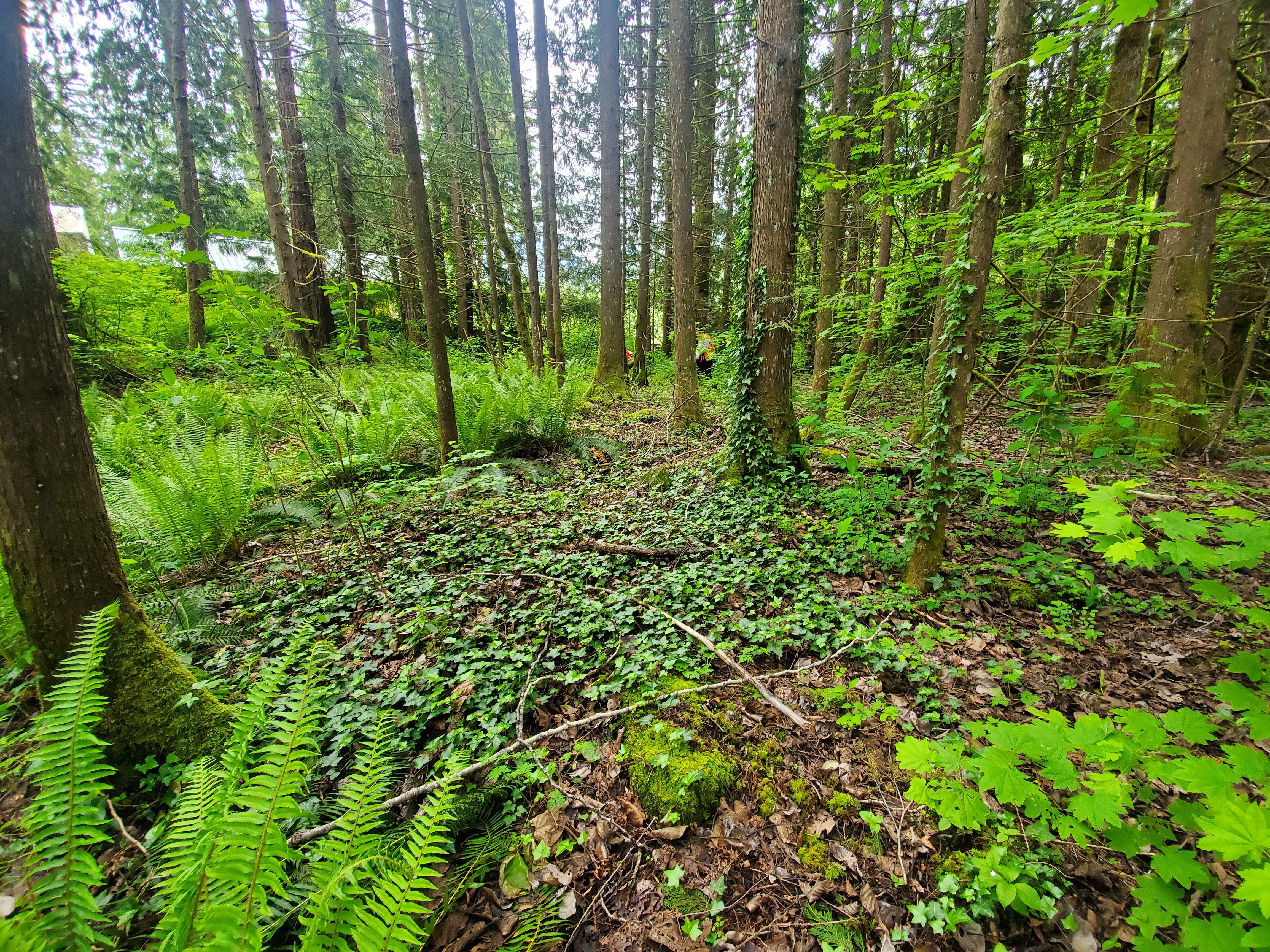
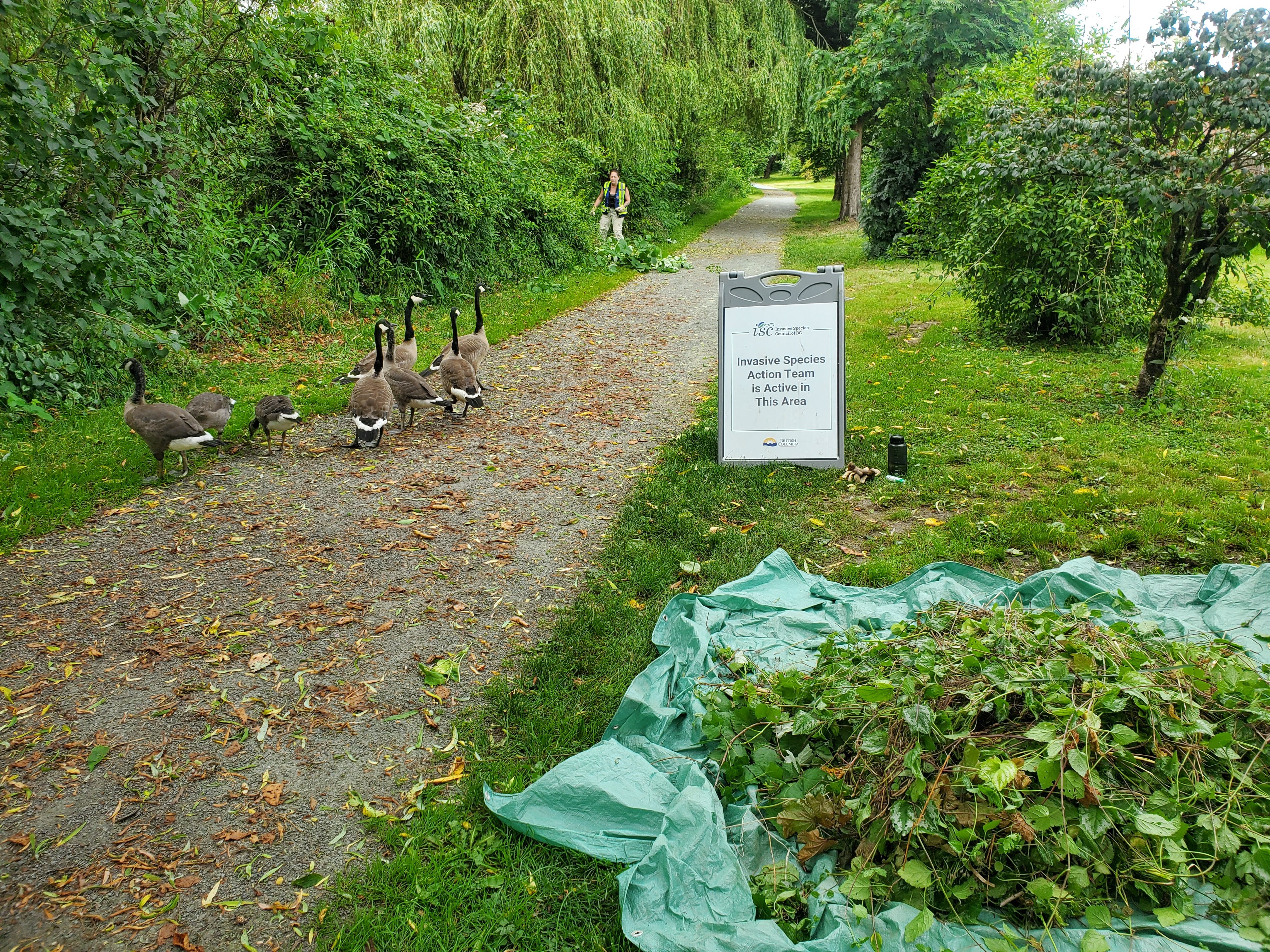
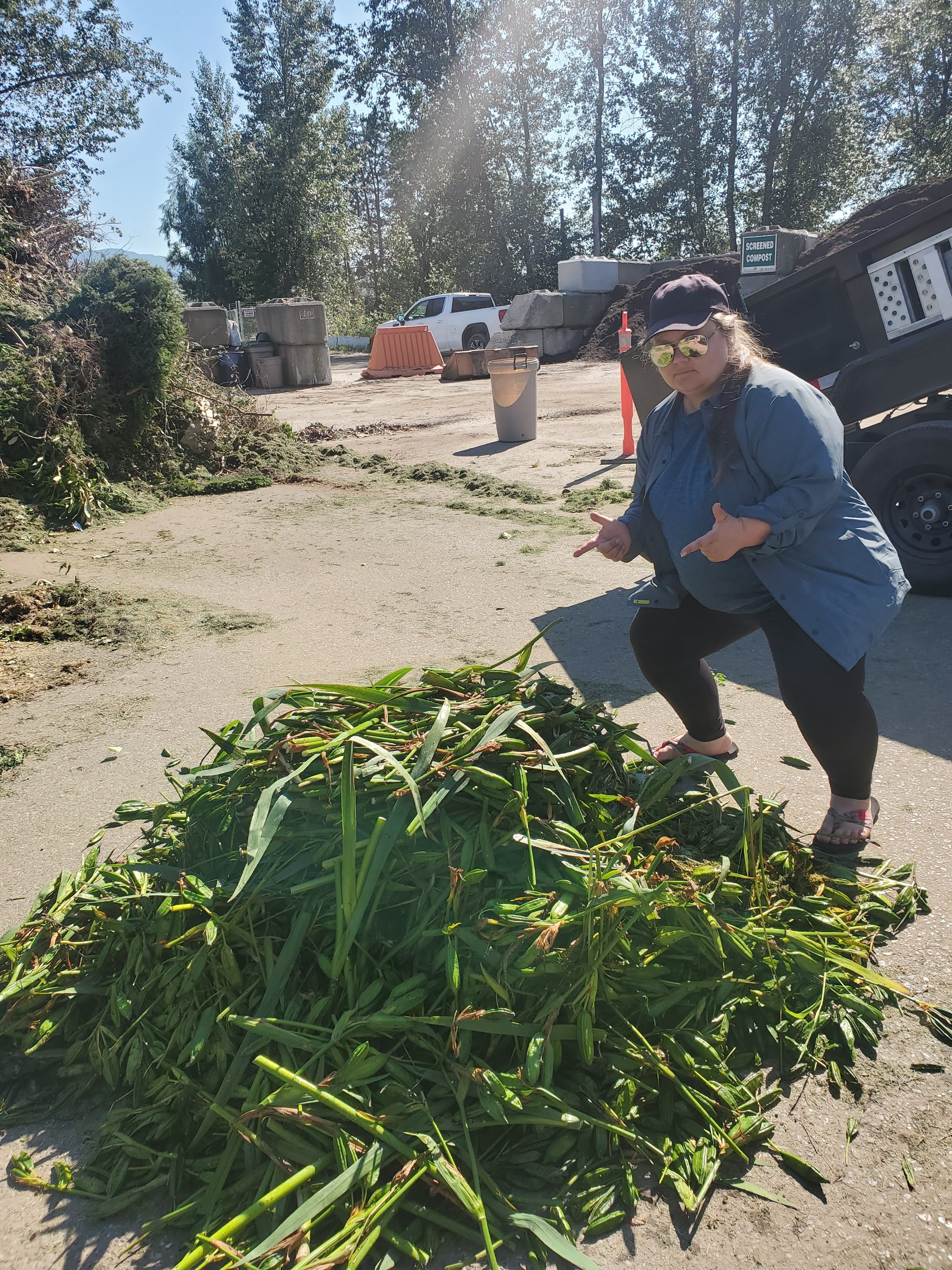
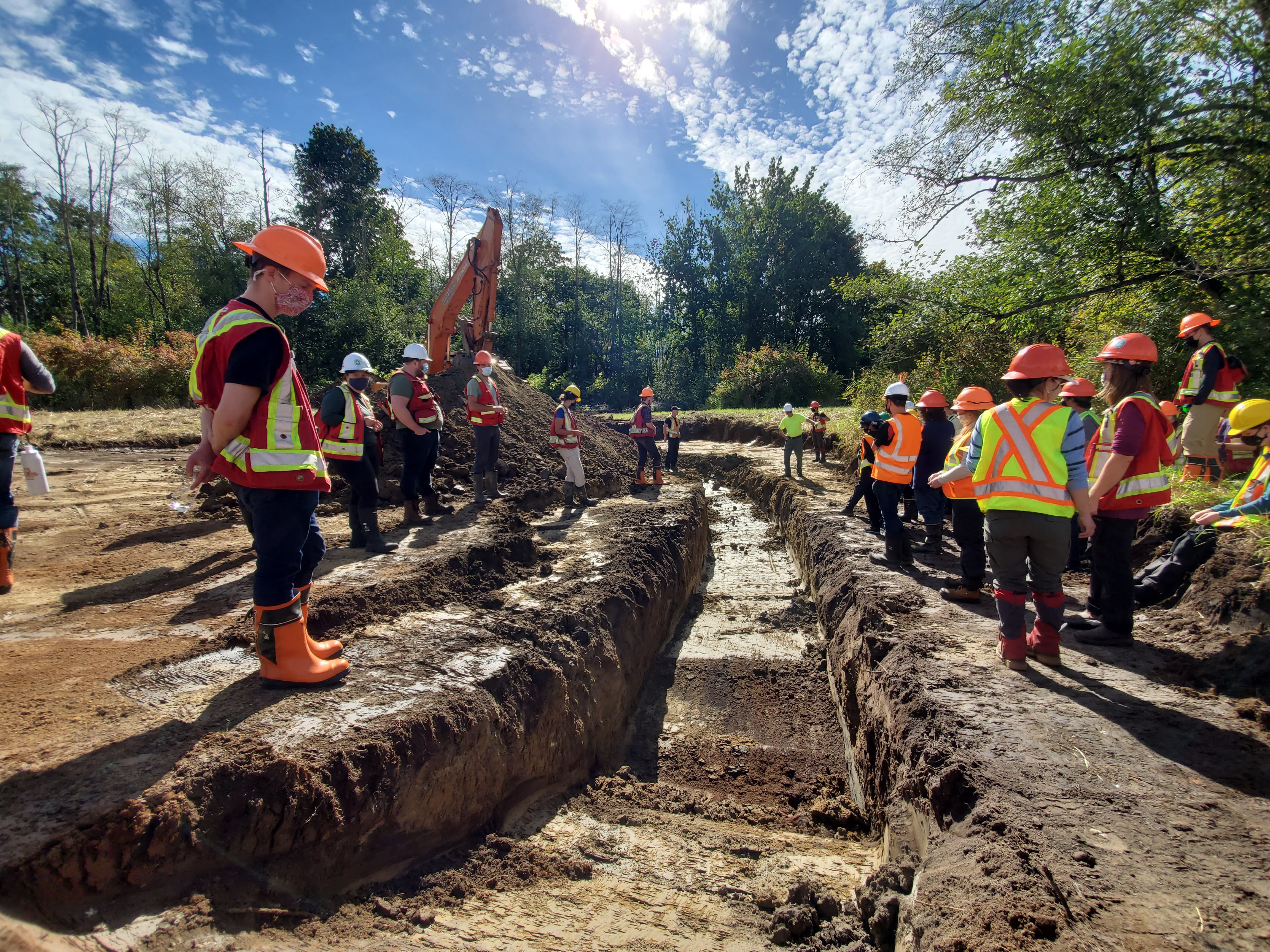
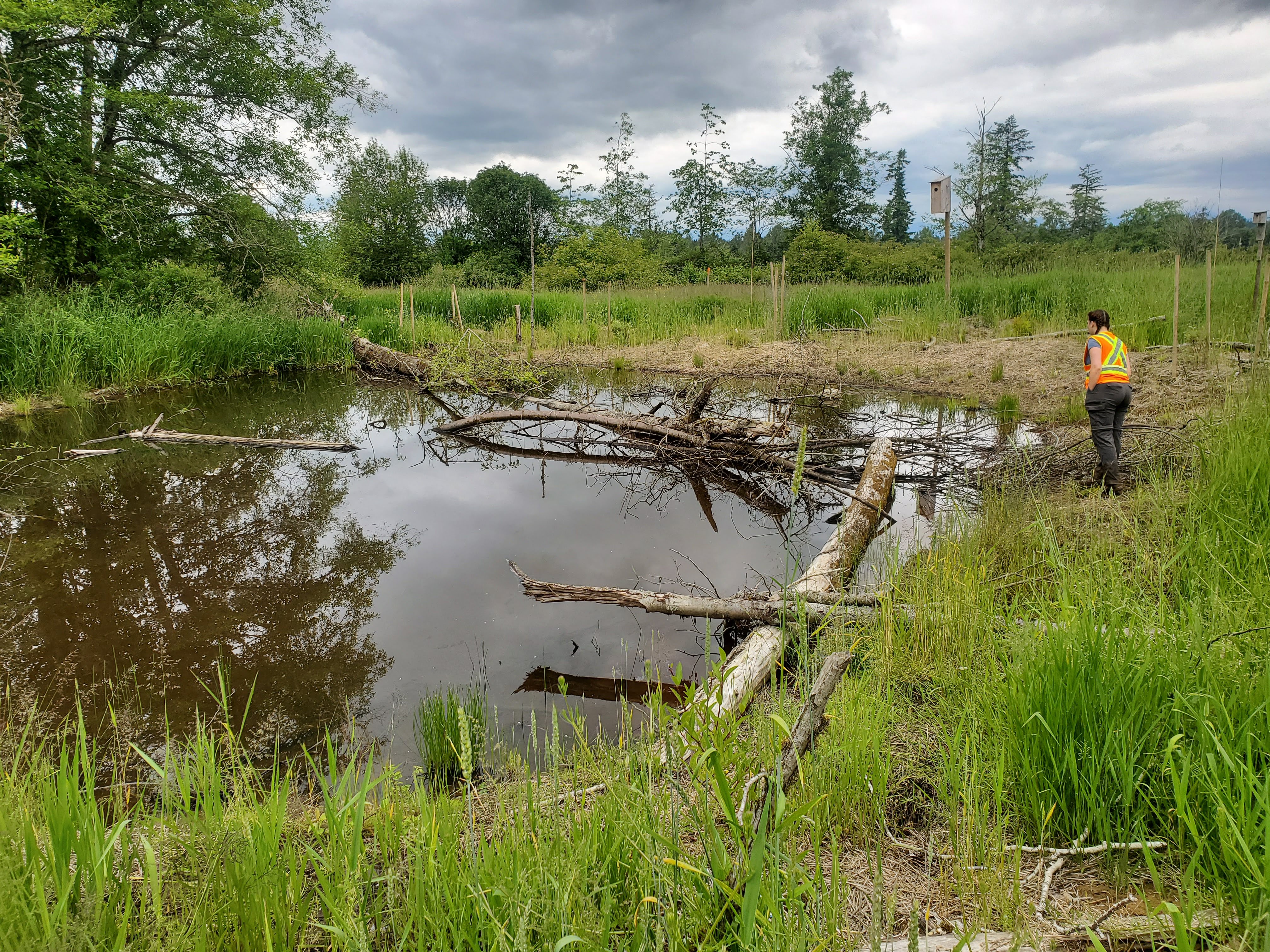
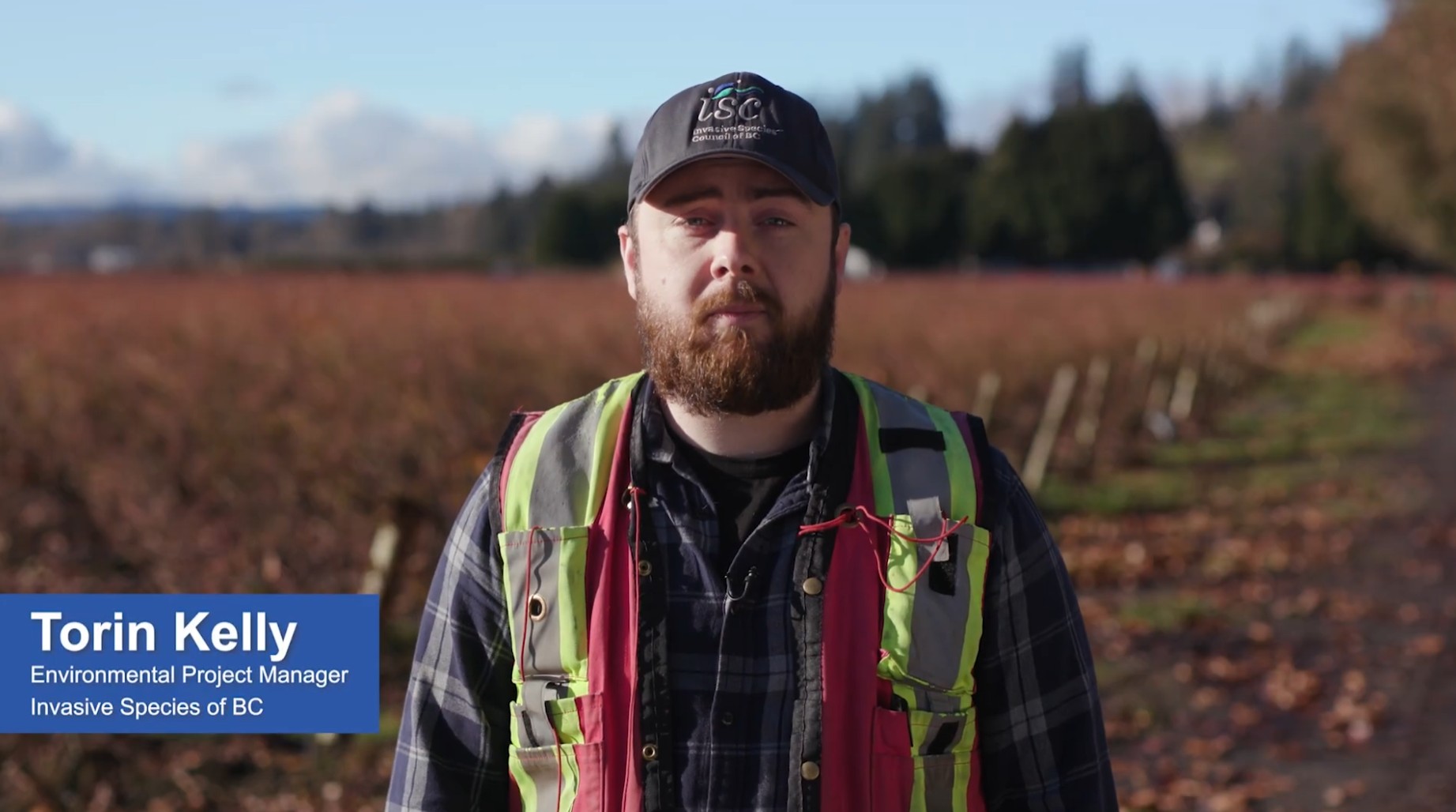
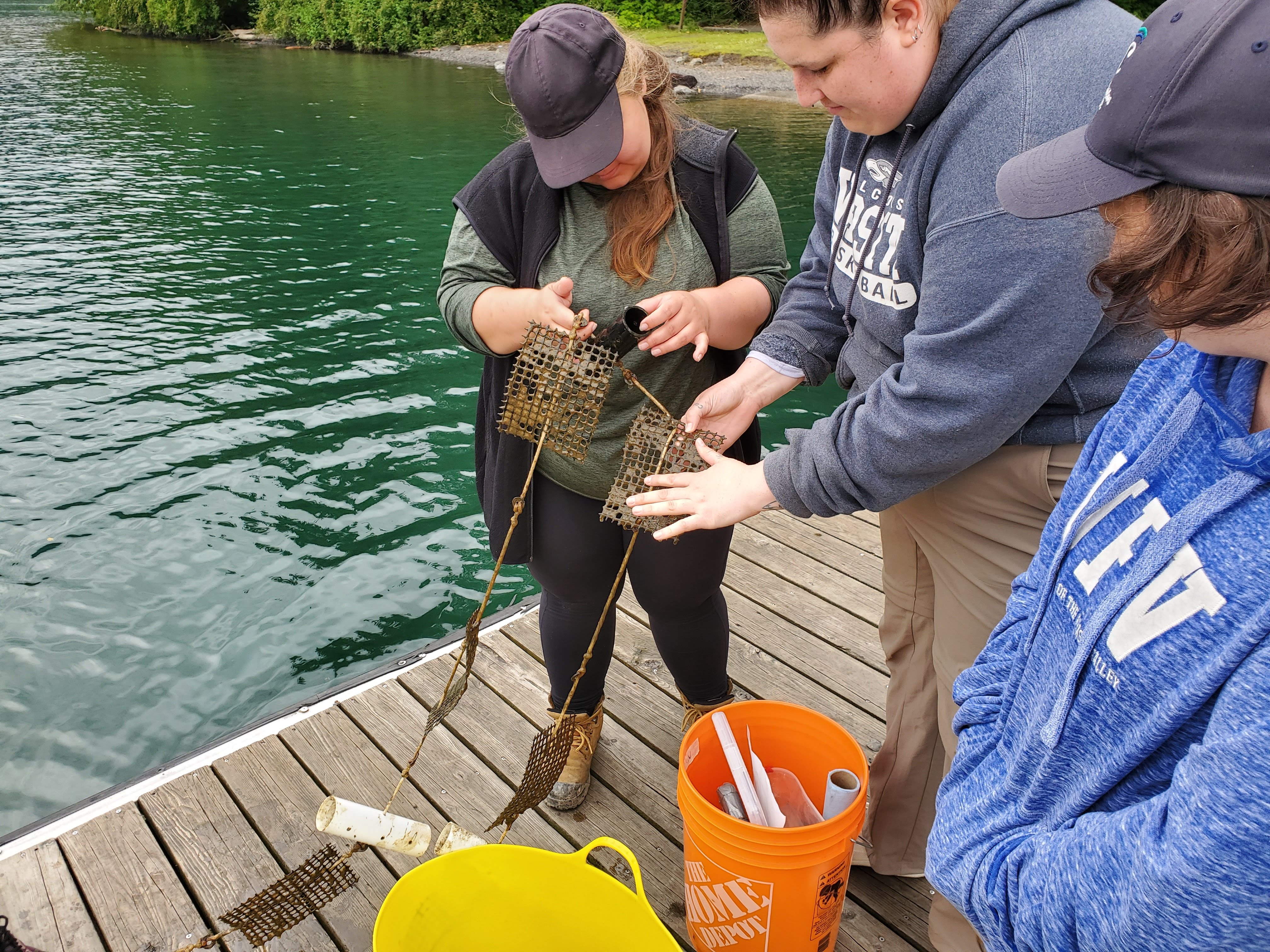
My role: Field Operations Coordinator. Directed five concurrent regional crews, designed all annual work plans, conducted 30+ environmental site assessments, and managed relationships with landowners, partner agencies, and First Nations across three geographically distinct regions.
Project Context
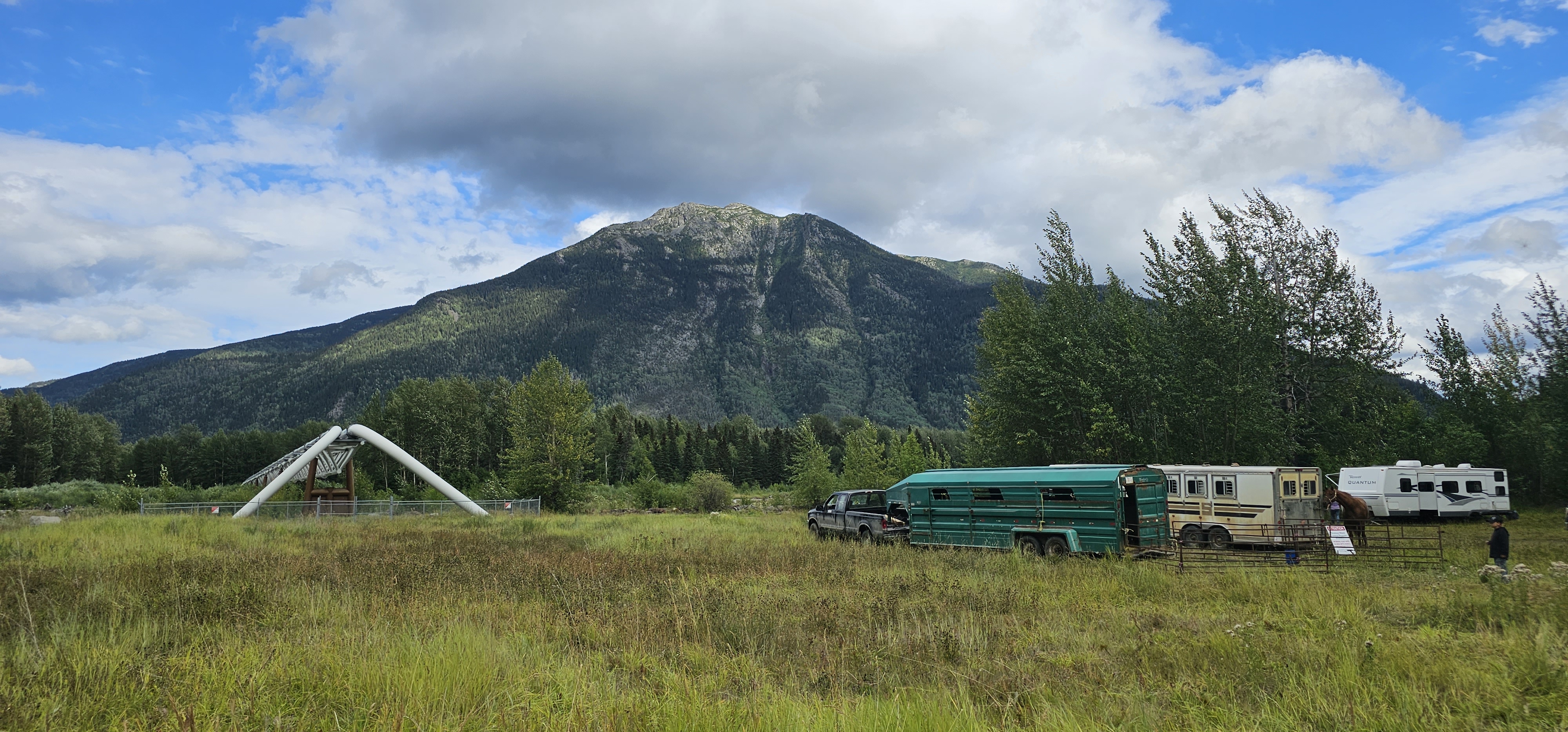
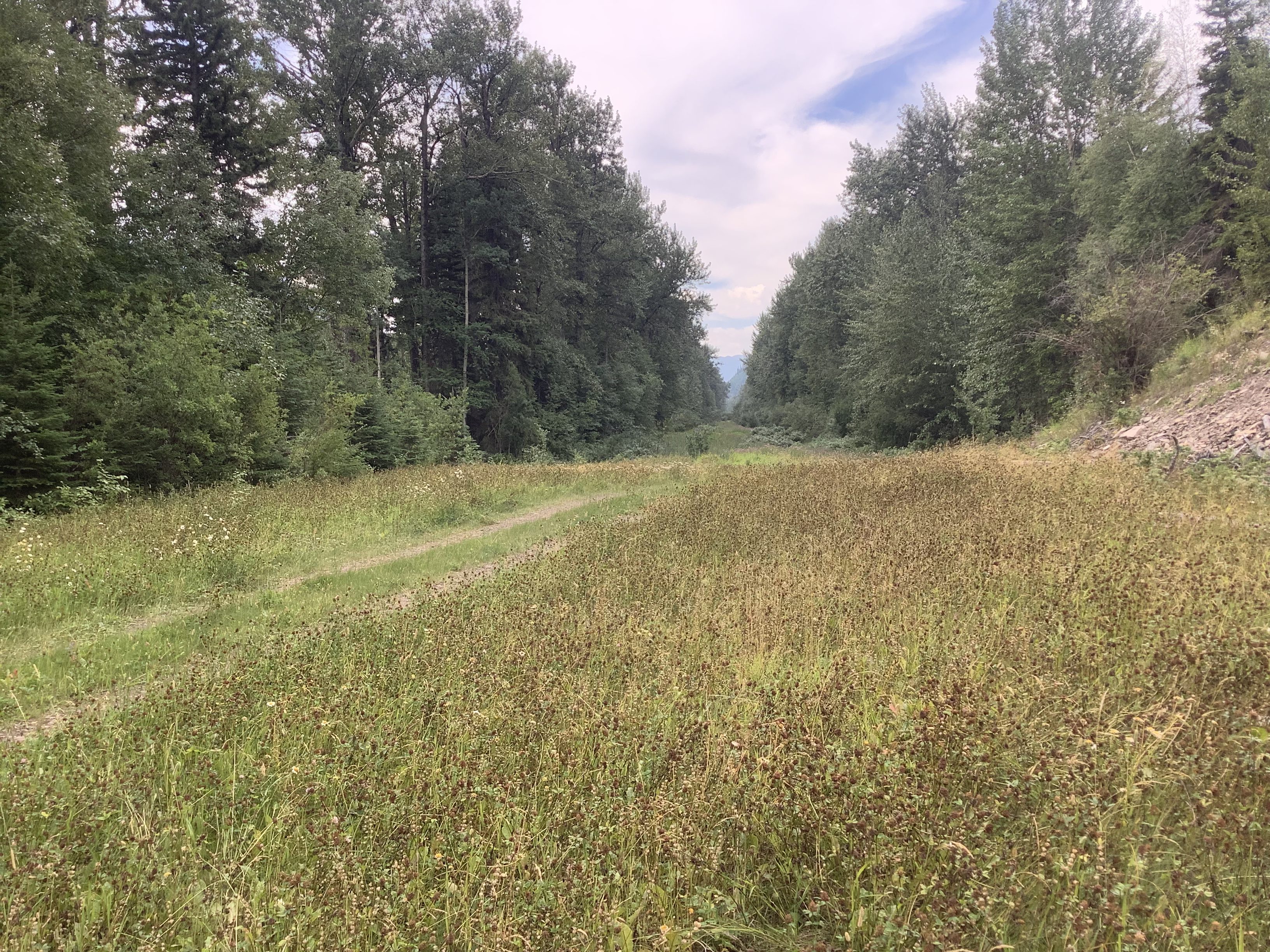
Invasive plant management across British Columbia requires coordinating field delivery across long distances, varied biogeoclimatic zones, and a mix of public, municipal, First Nations, and industrial lands. As Field Operations Coordinator, I brought together five seasonal field crews operating simultaneously on Vancouver Island, in the Lower Mainland, and across the Cariboo, with accountability for crew training, regional planning, site prioritization, and stakeholder coordination across very different landscape and operational contexts.
Methods & Approach
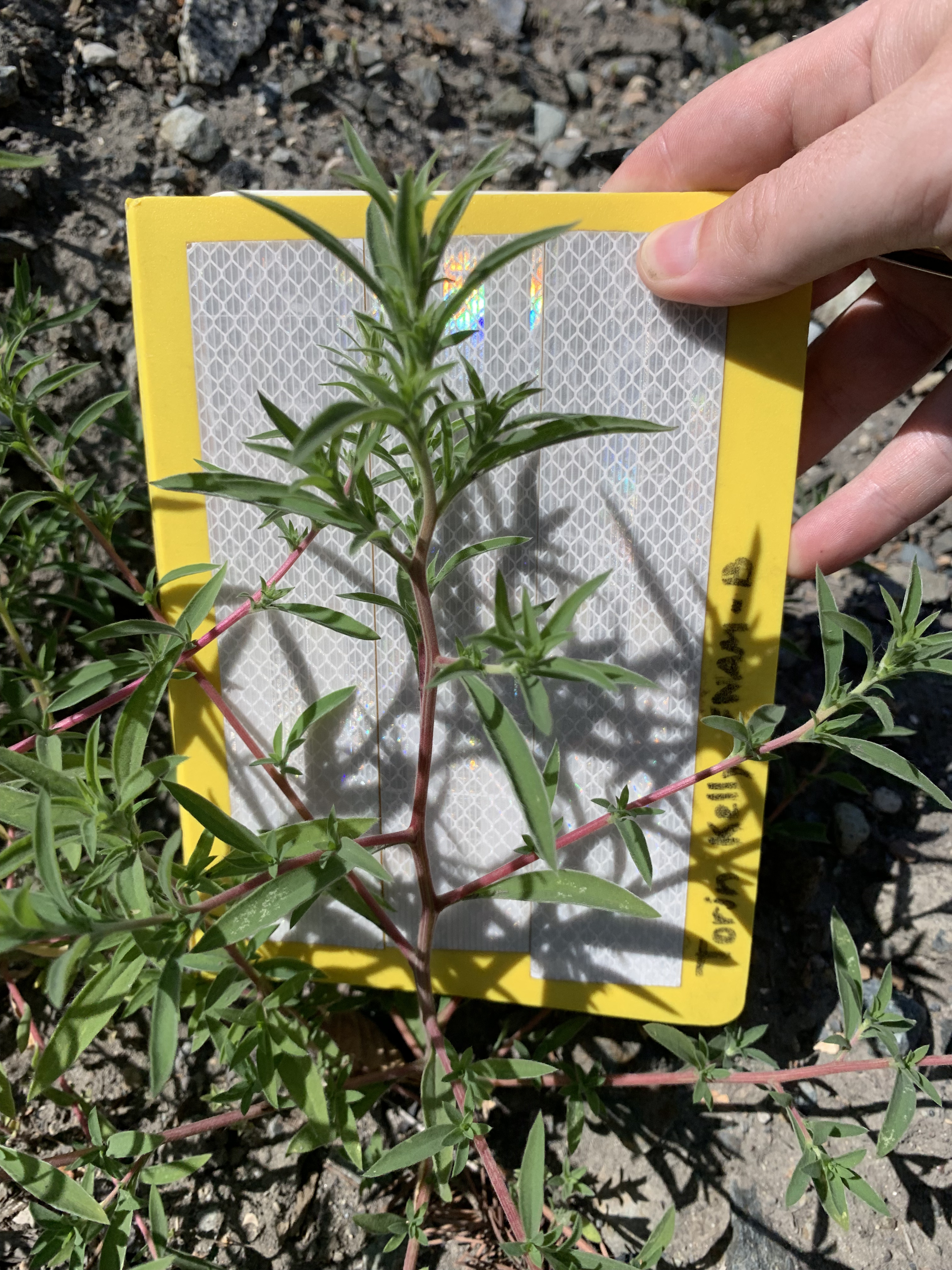
- Directed five concurrent field crews across Vancouver Island, the Lower Mainland, and the Cariboo, managing deployment, scheduling, and equipment logistics across three geographically distinct regions
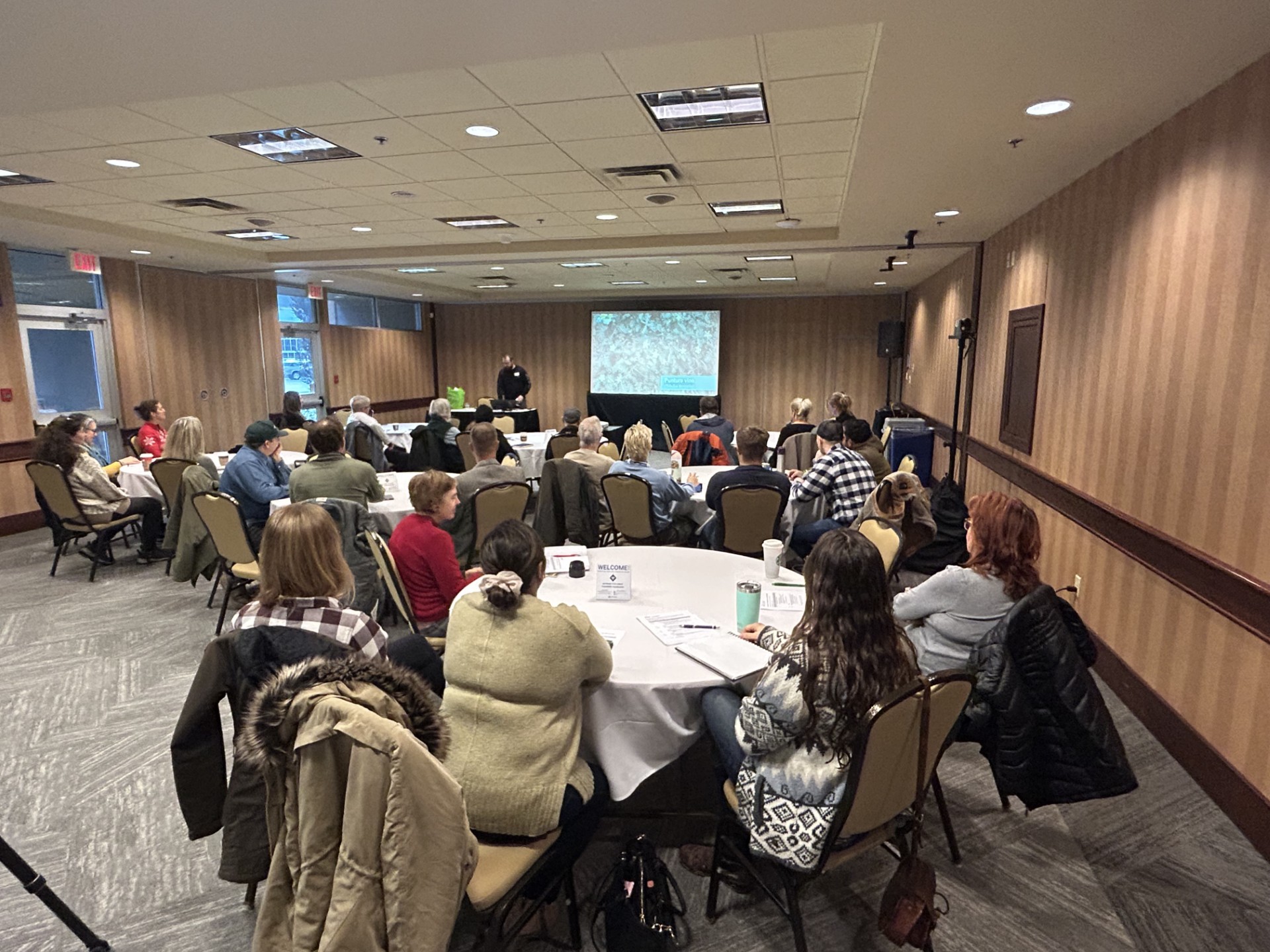
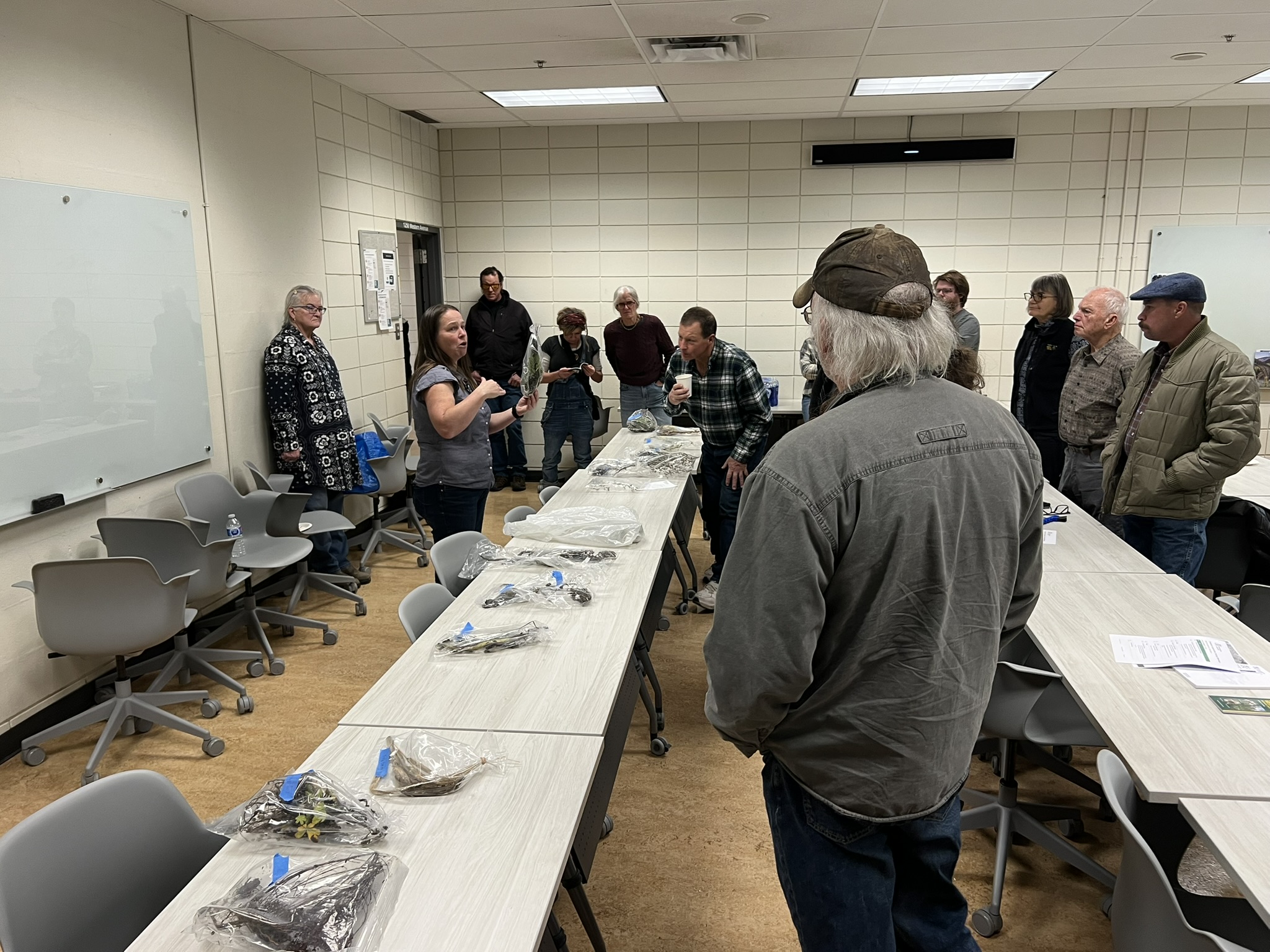
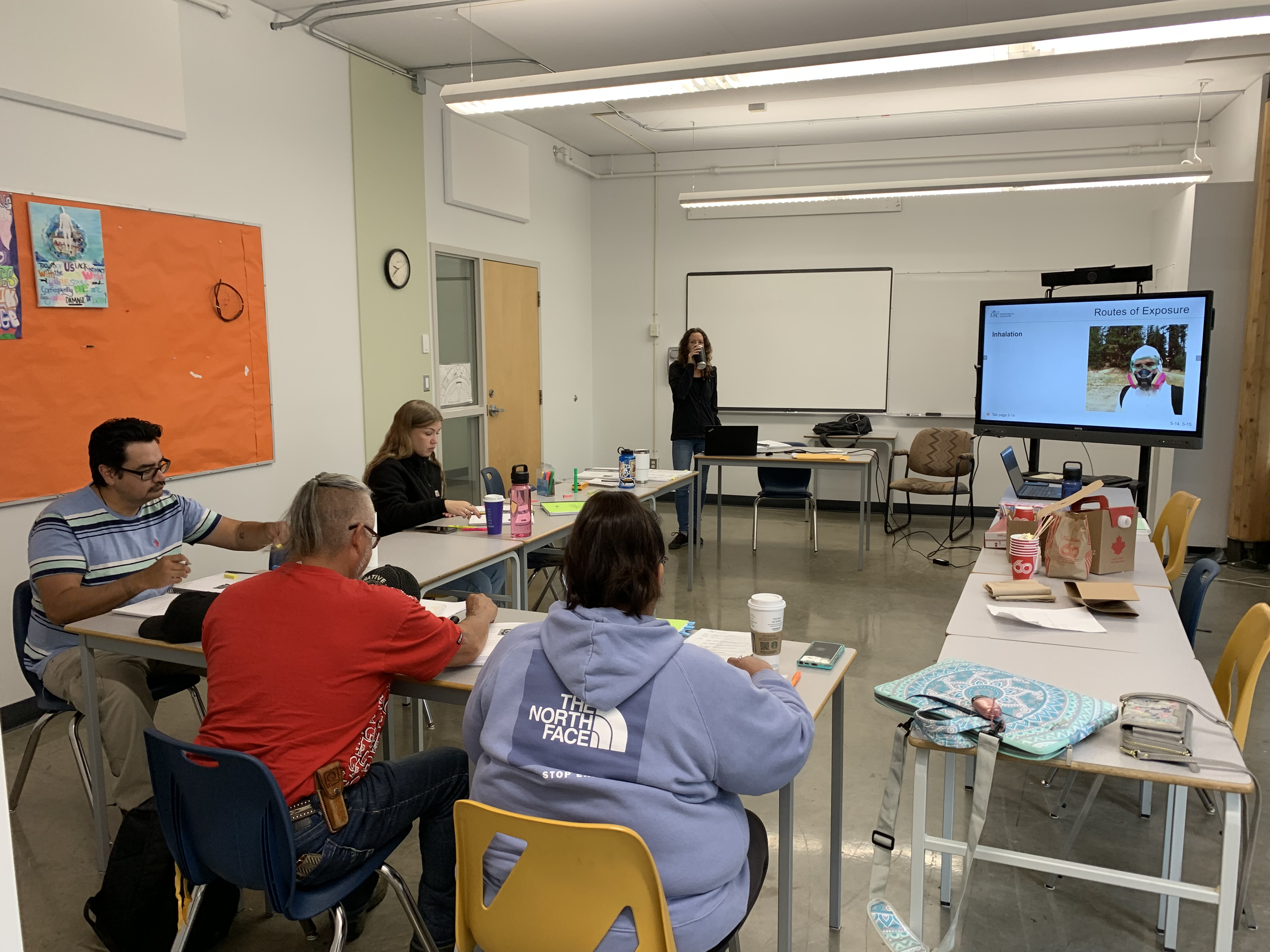
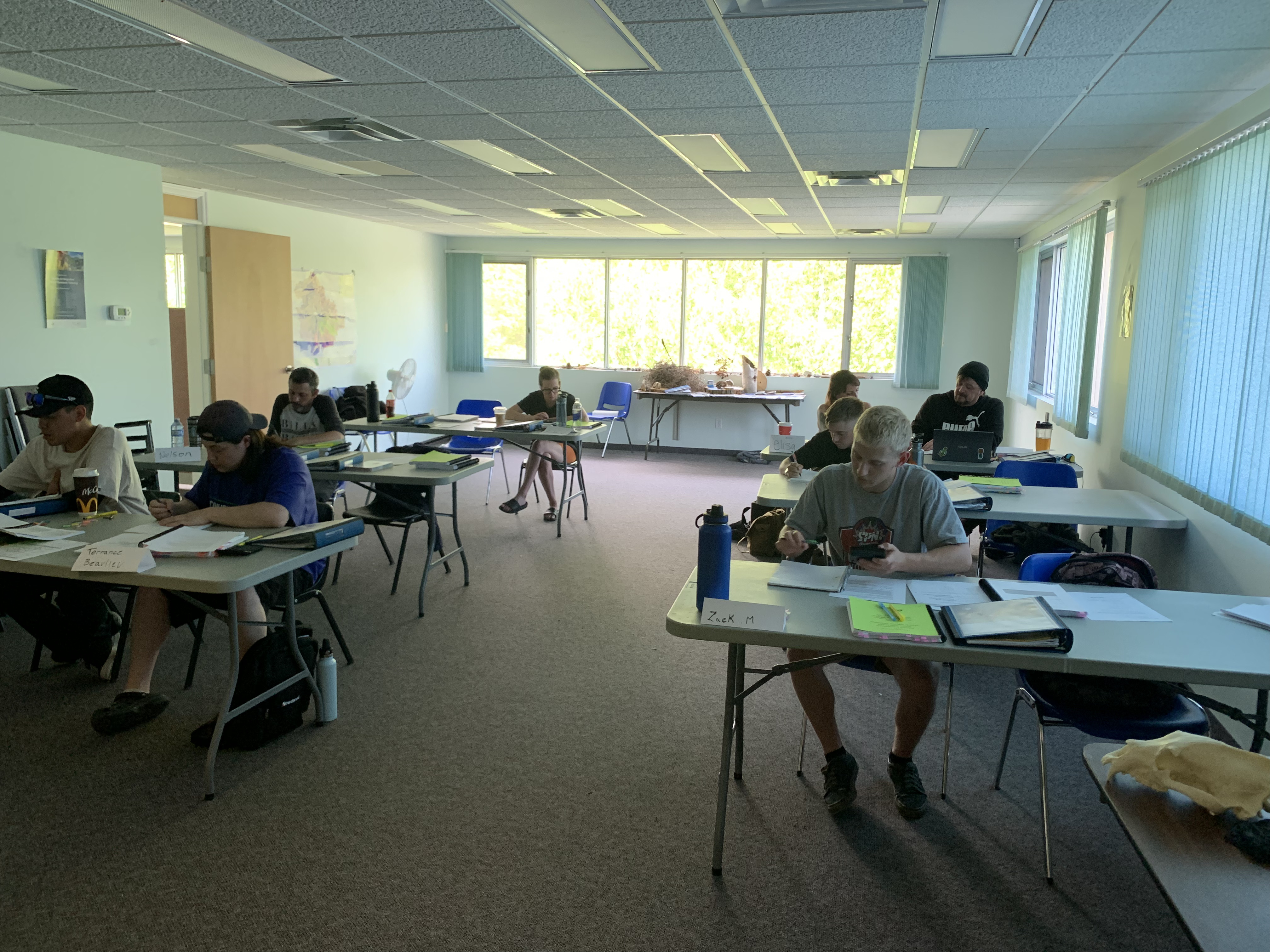
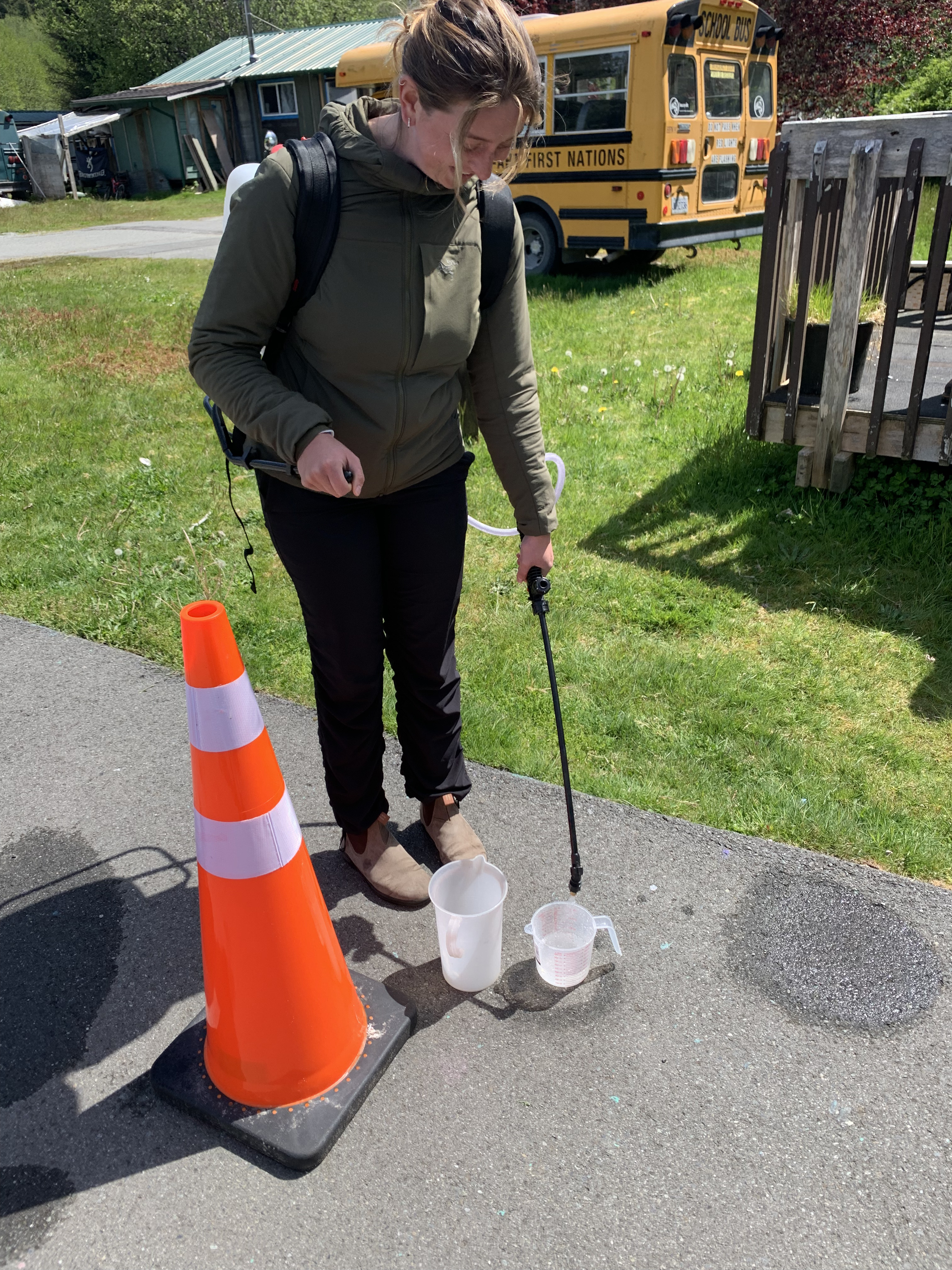
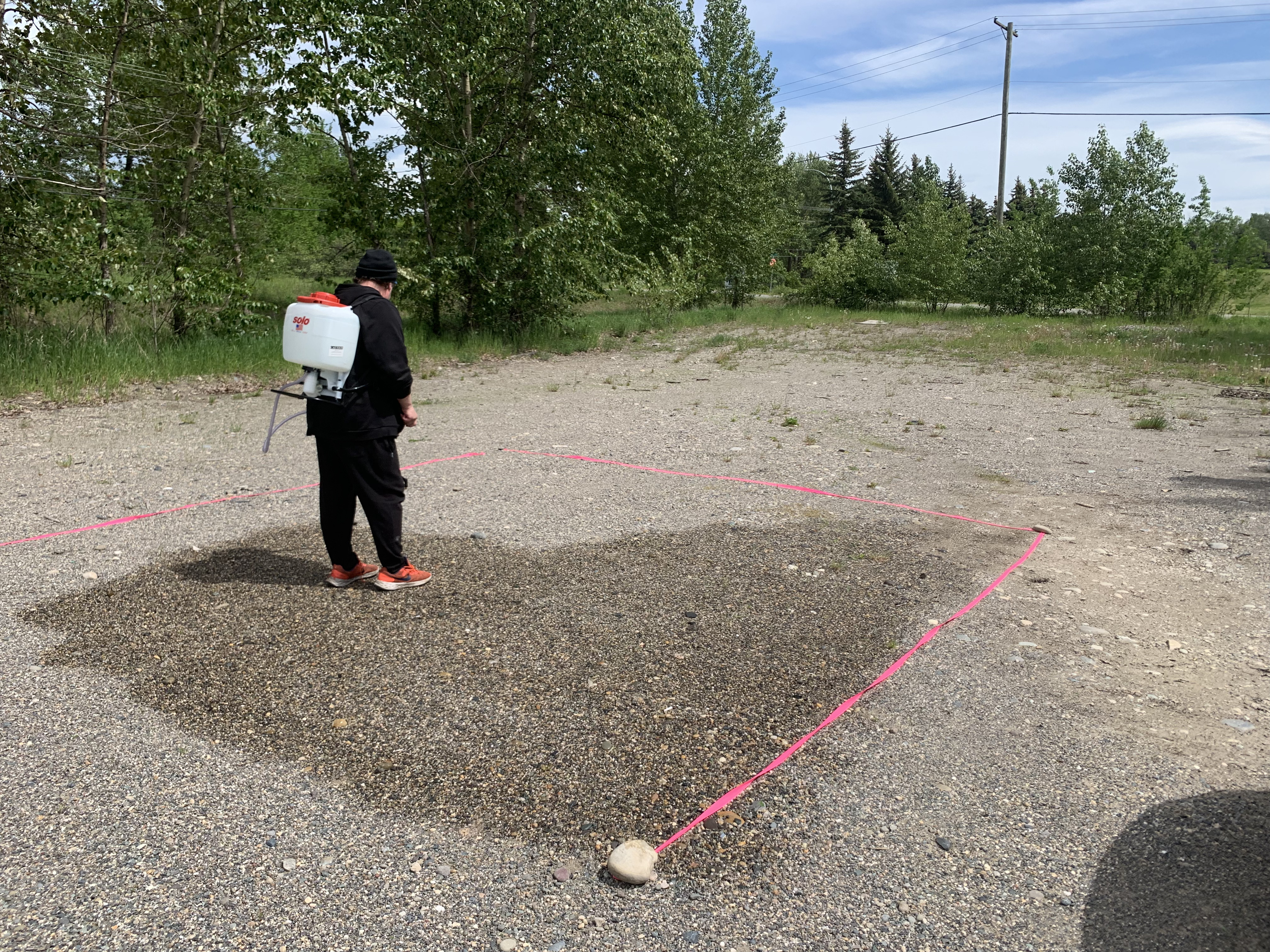
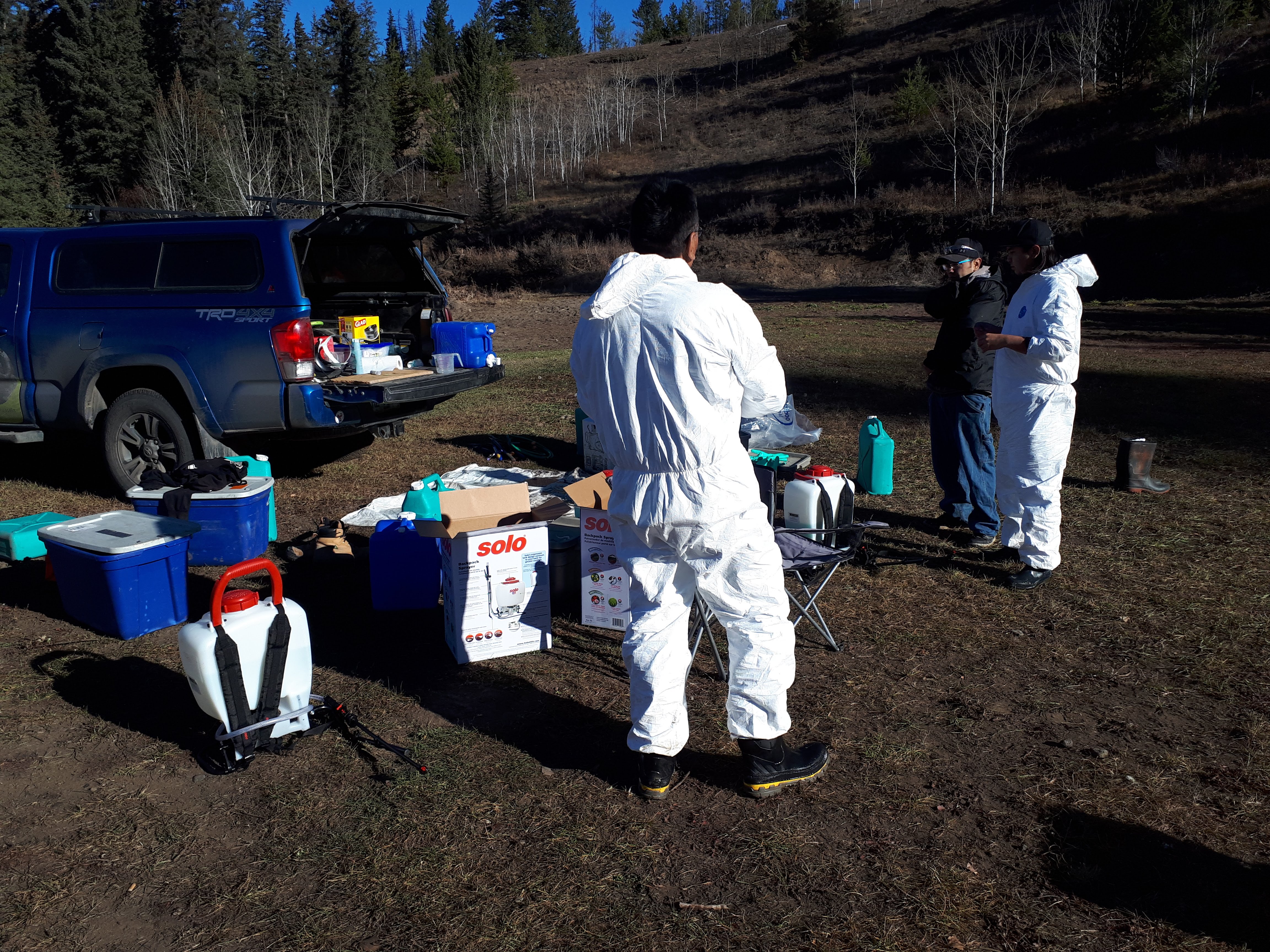
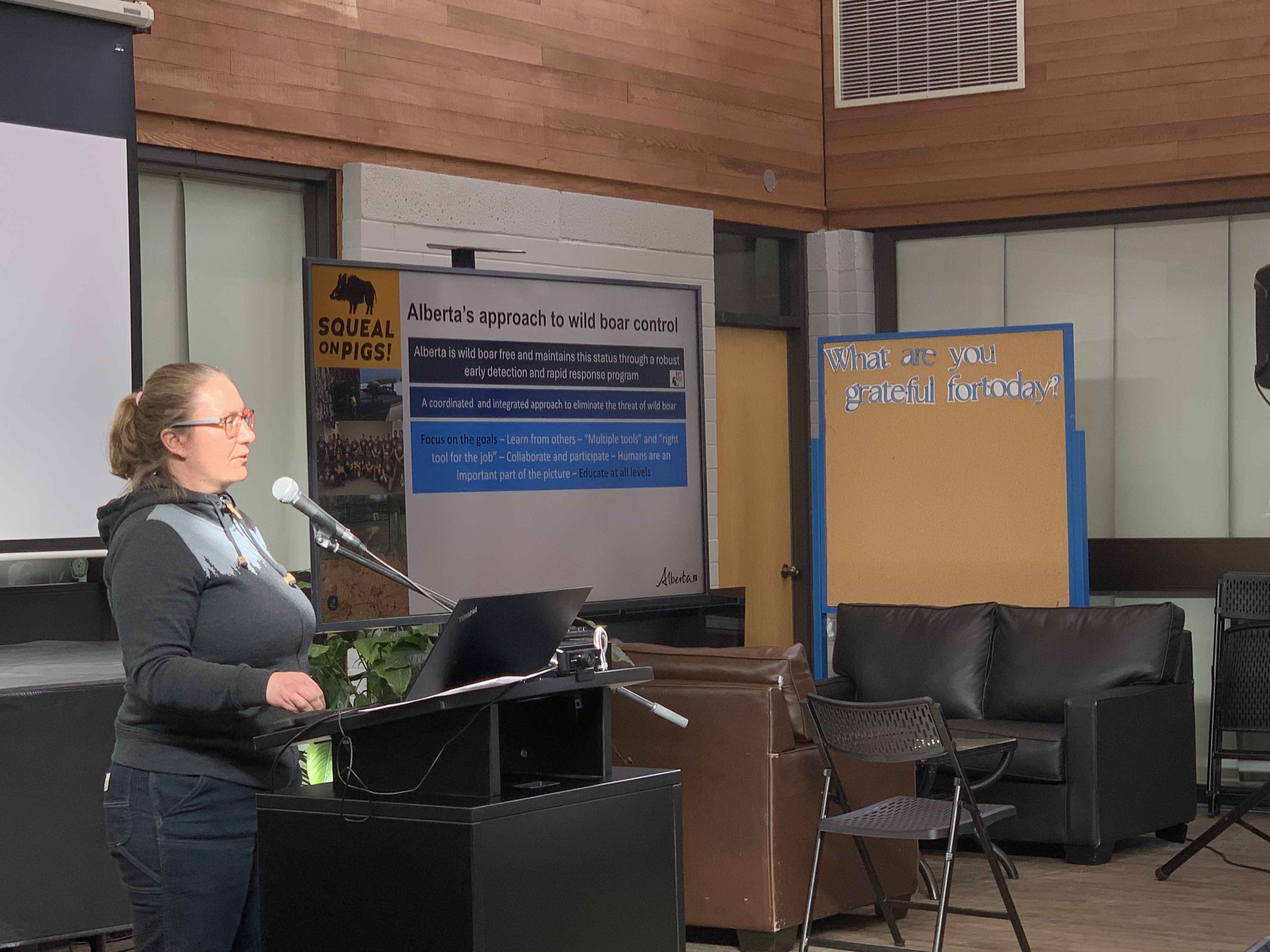
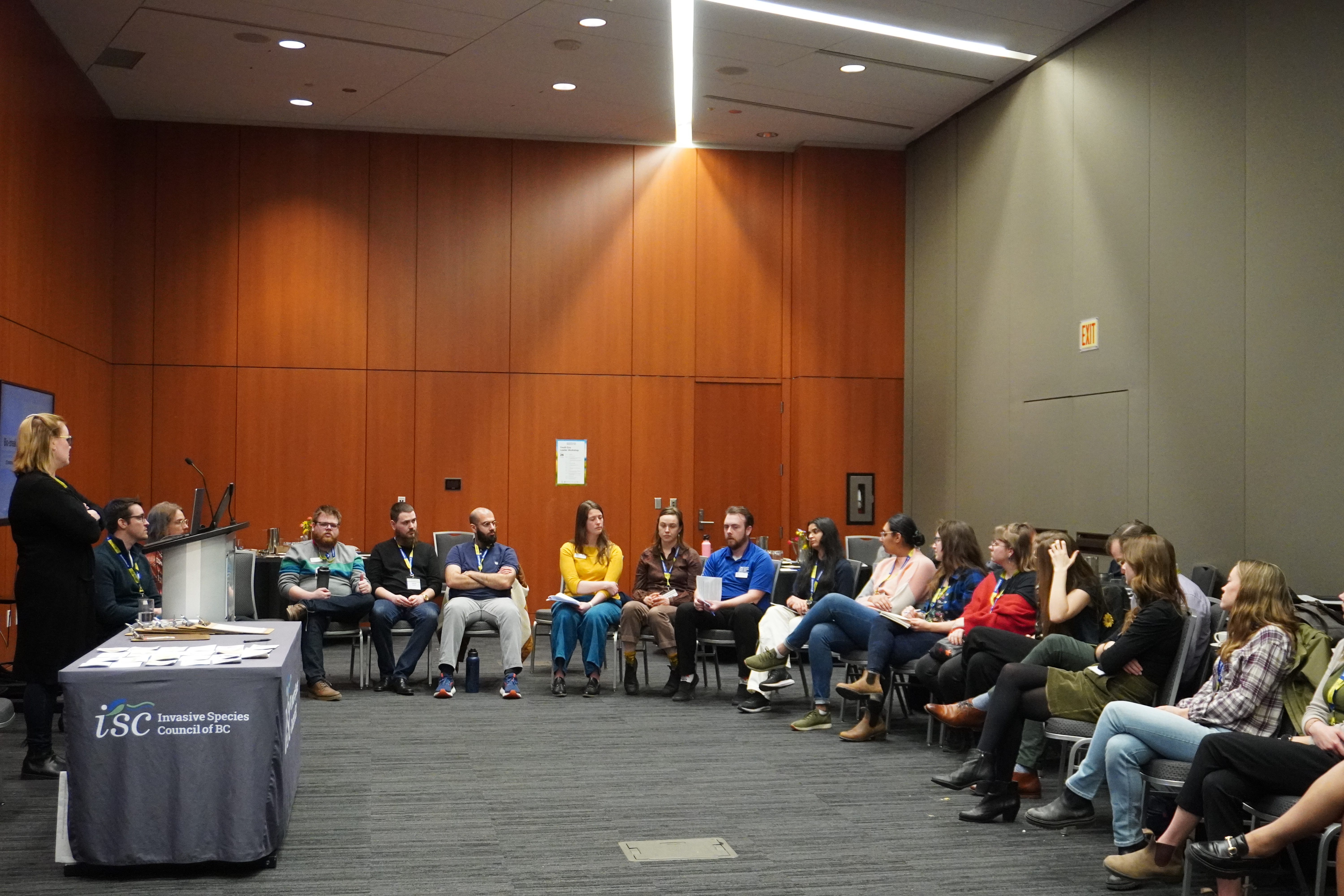
- Developed and delivered staff training programs in invasive plant identification, pesticide application, equipment operation, field safety, and integrated pest management for crew members of varied experience levels
- Designed annual regional work plans that integrated legislative requirements, environmental safeguards, and risk-based site prioritization across 50+ treatment and restoration sites
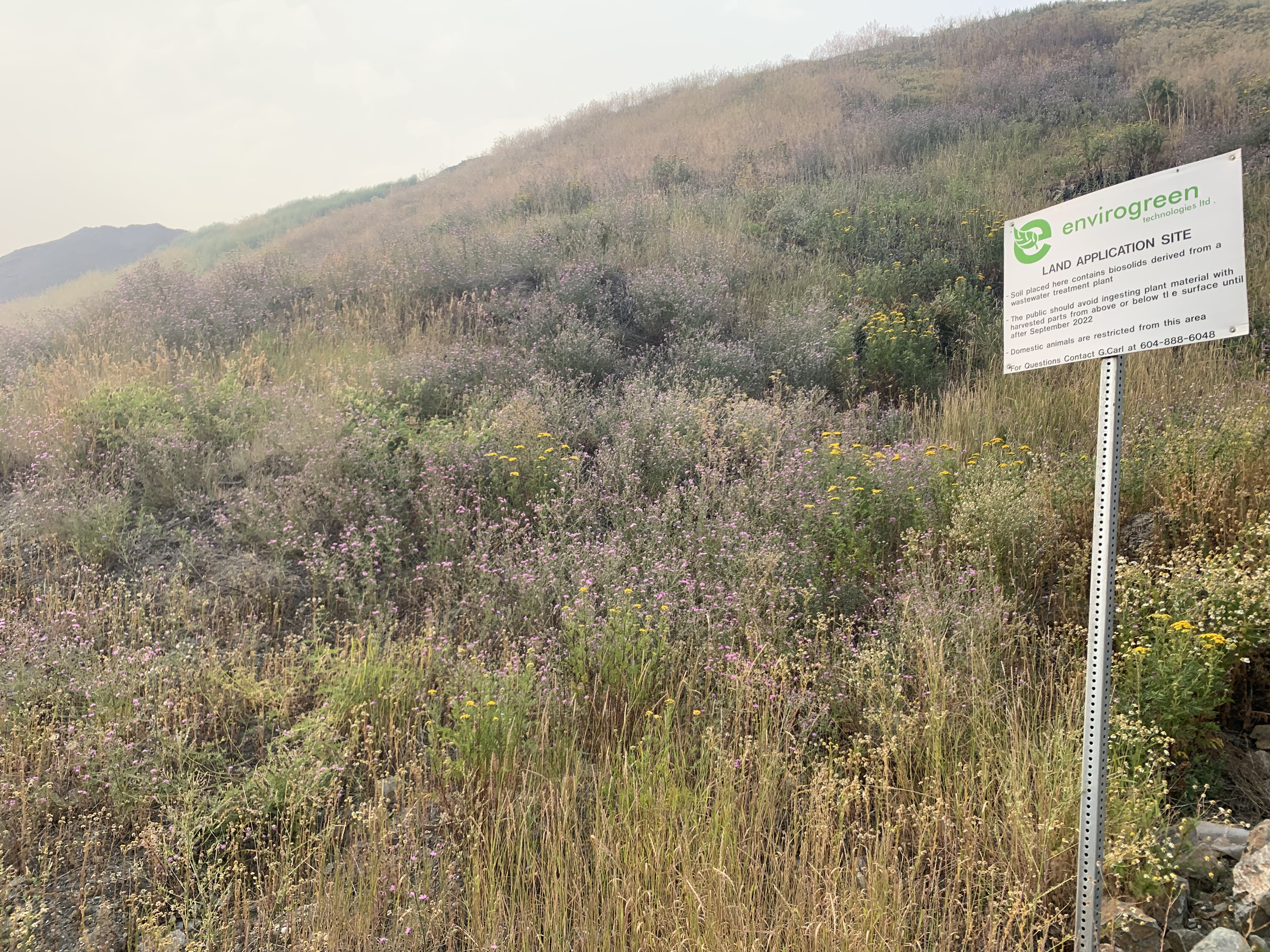
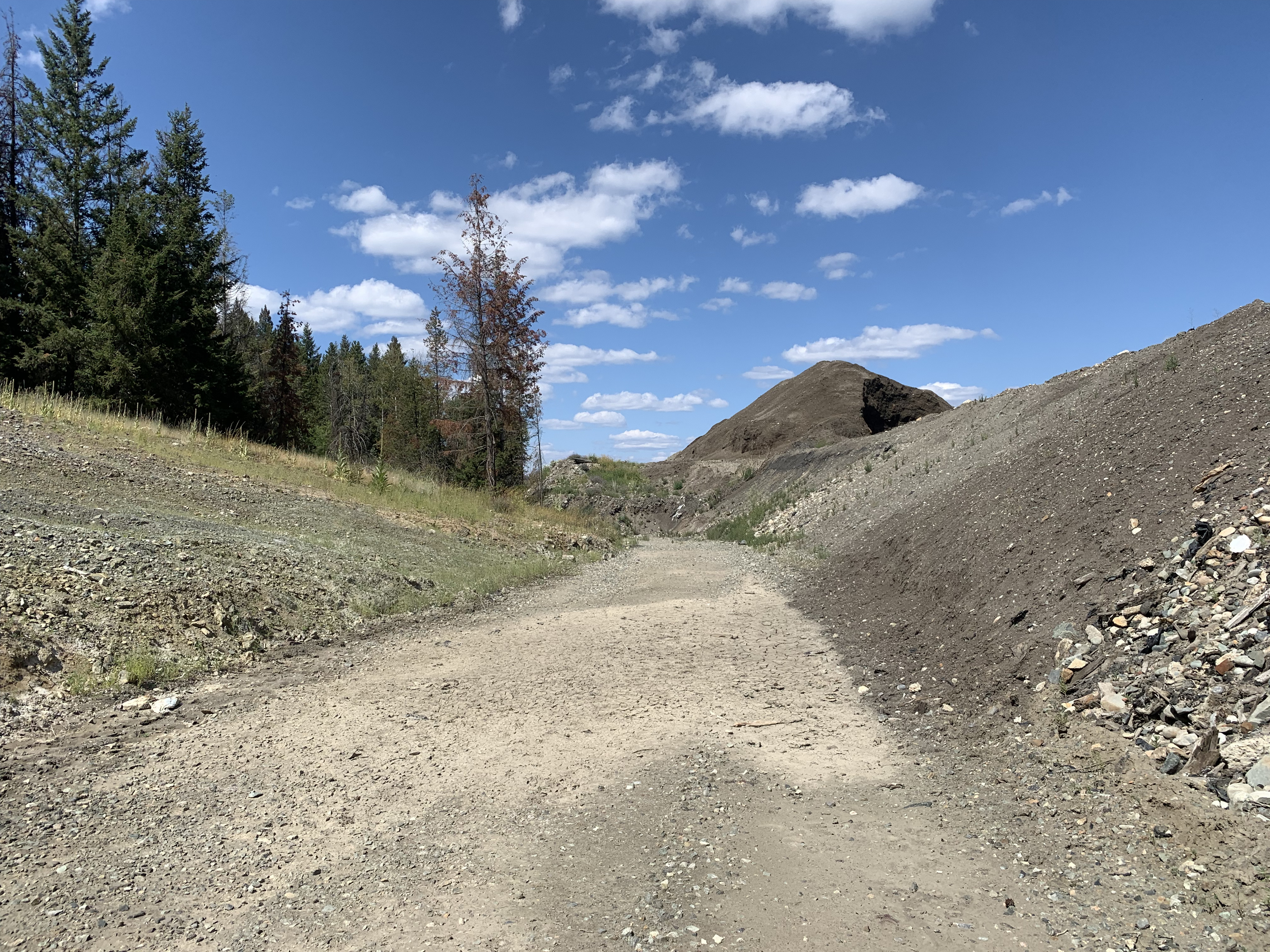
- Conducted environmental site assessments across 30+ gravel pits, Wildlife Management Areas, and municipal park sites, evaluating habitat sensitivity and statutory constraints to inform mitigation and compliance decisions
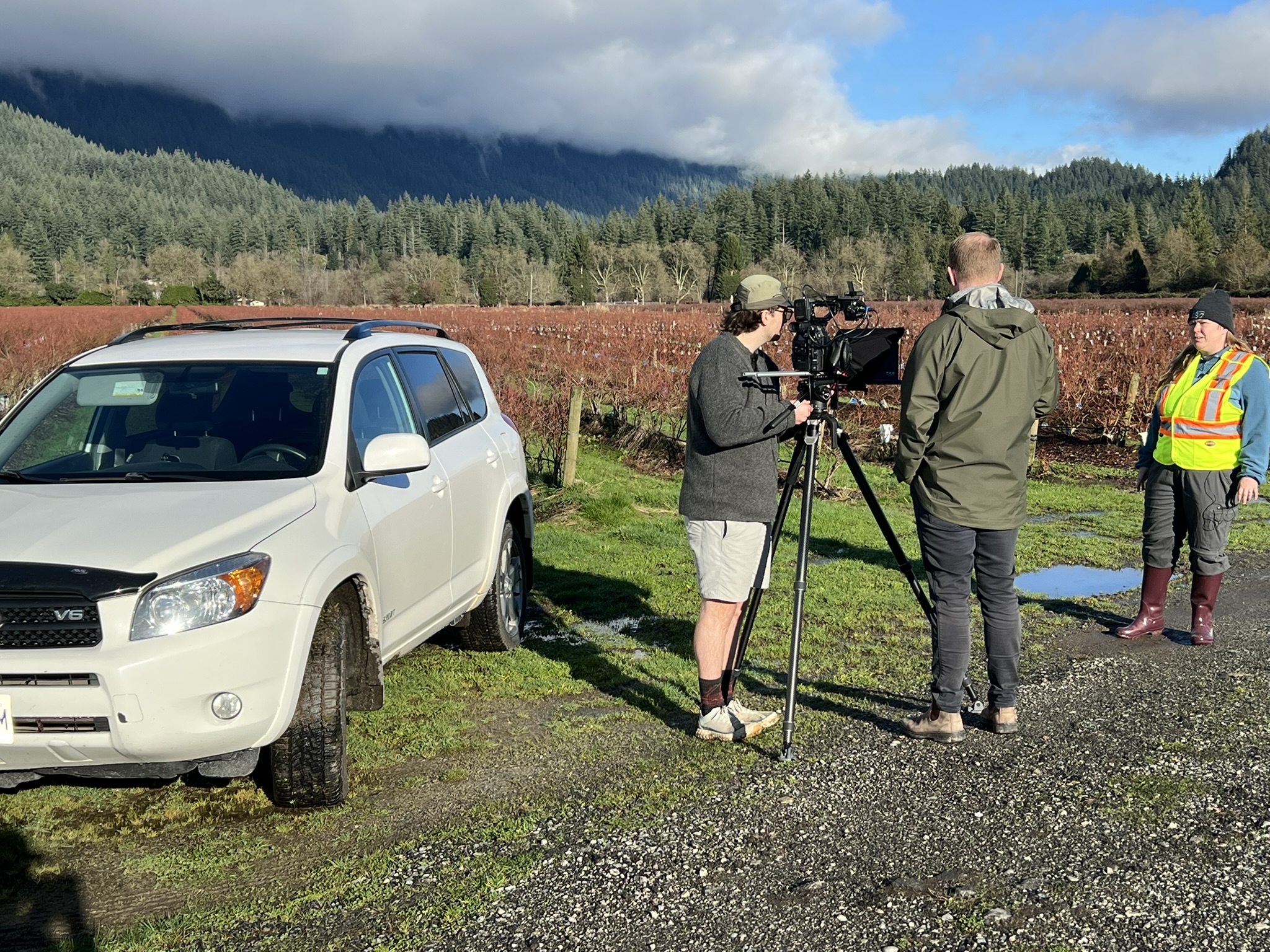
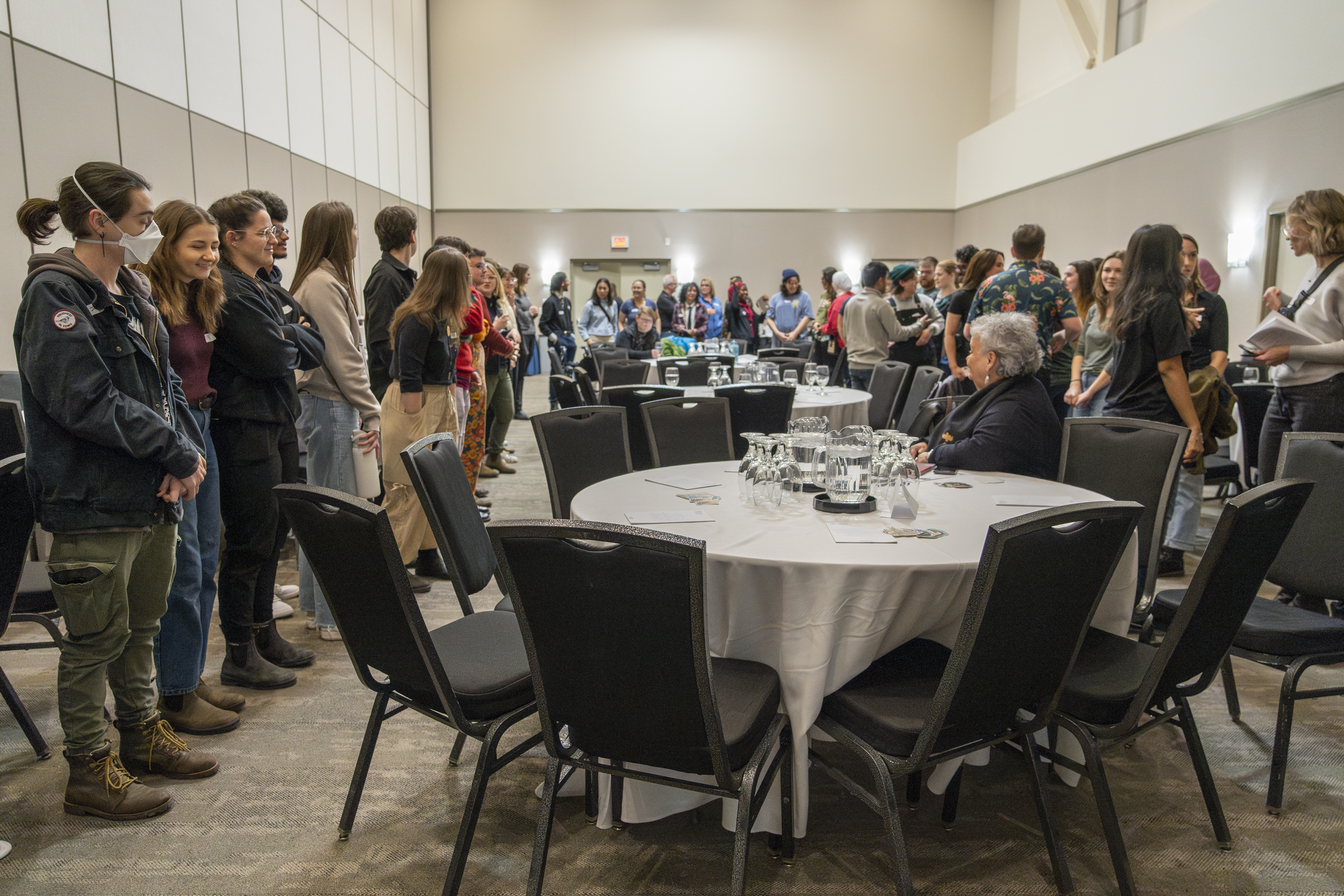
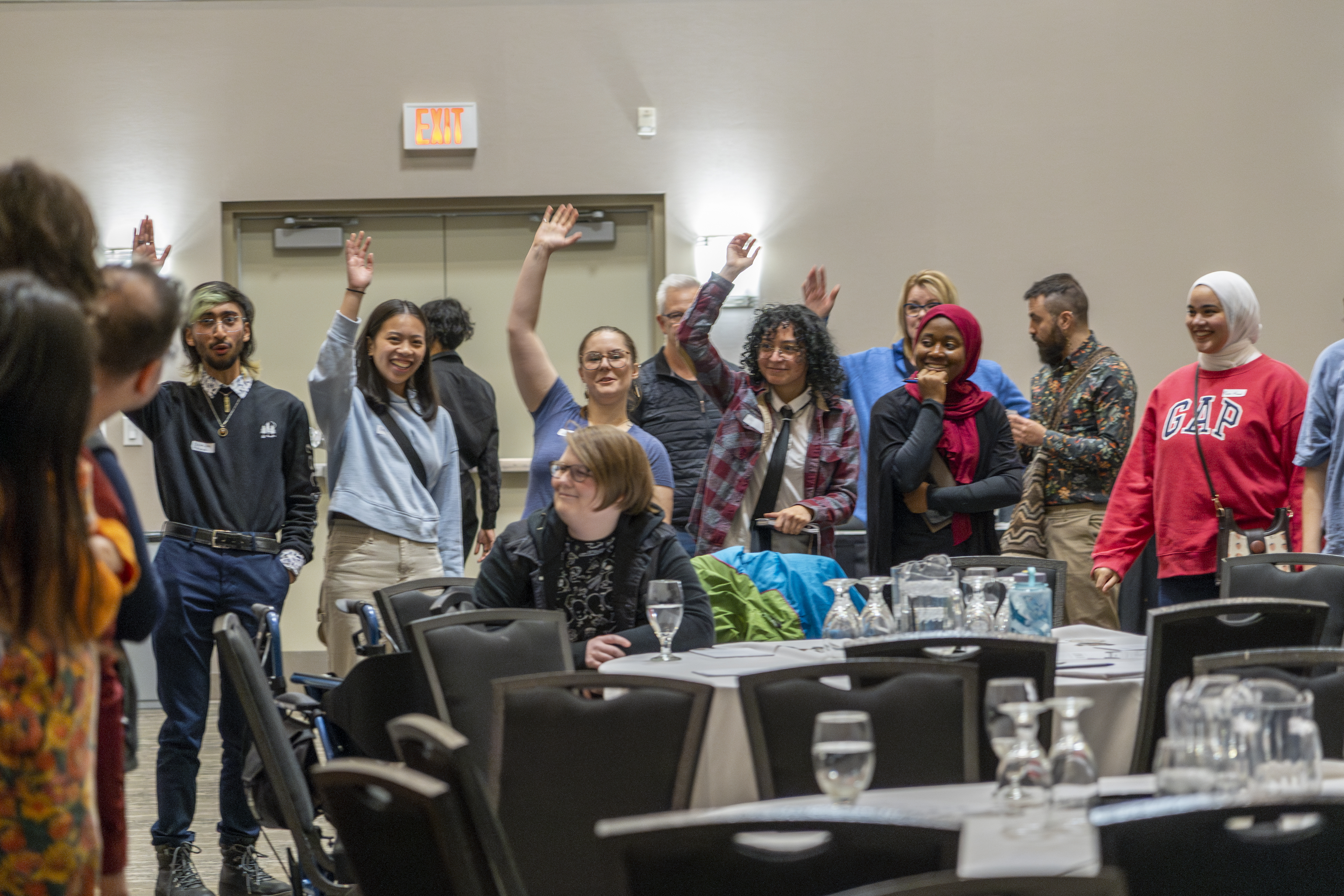
- Coordinated partnerships with Metro Vancouver, BC Parks, municipal staff, First Nations land stewards, and industrial operators to align field activities with landowner requirements
- Applied GIS-based spatial analysis including buffer and overlay modelling to delineate environmental constraints and support treatment prioritization
- Reviewed contractor performance and environmental documentation to ensure consistency with provincial regulatory requirements
Outcomes
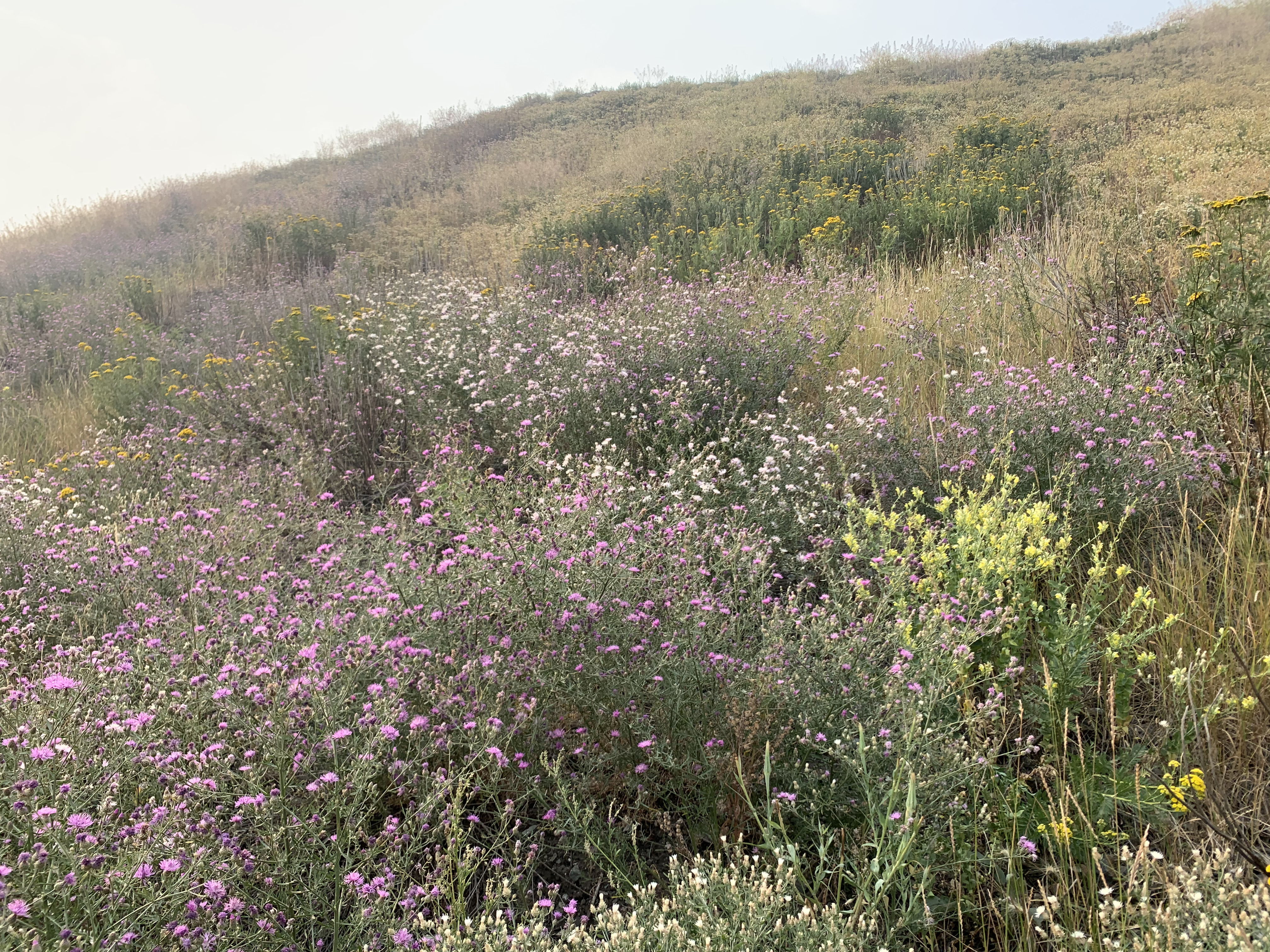
- Consistent delivery across three regions spanning coastal rainforest, urban interface, and interior dry belt ecosystems
- 50+ sites managed simultaneously across gravel pits, Wildlife Management Areas, regional parks, and municipal green spaces
- 30+ environmental site assessments completed, providing the basis for mitigation planning and regulatory compliance
- Crew training programs established as reusable ISCBC materials for subsequent seasonal intakes
- That field experience shapes how I design programs, scope research trials, and write technical documents today