I am a Registered Professional Biologist (RPBio #5179) with a decade of experience in program delivery, field operations, applied research, and practitioner training across British Columbia.
Design and deliver province- and Canada-wide programs across agriculture, utilities, invasive pig preparedness, and youth engagement. Chair the provincial utility rights-of-way best management practices committee, serve as Qualified Environmental Professional for Teck Highland Valley Copper, and hold budget and contract authority for projects from $25K to $478K. Mentor project staff and serve on the Joint Occupational Health and Safety Committee.
2020 to 2021
GIS Technician
Fraser Valley Invasive Species Society
Ground-truthed and verified a regional environmental management dataset in GIS, maintaining the verified site data used to improve treatment efficiency the following season.
2018 to 2021
Field Operations Coordinator
Invasive Species Council of BC
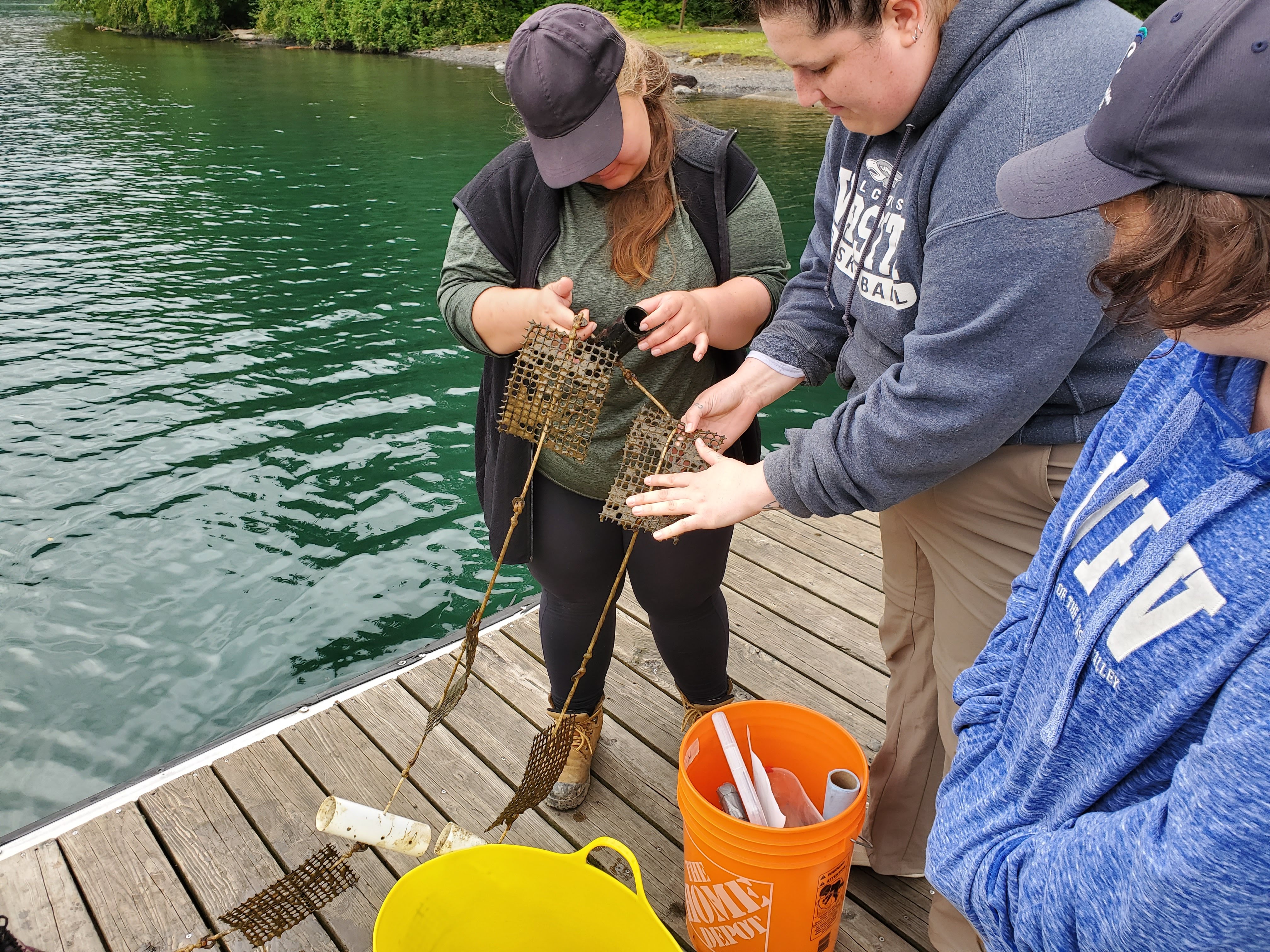
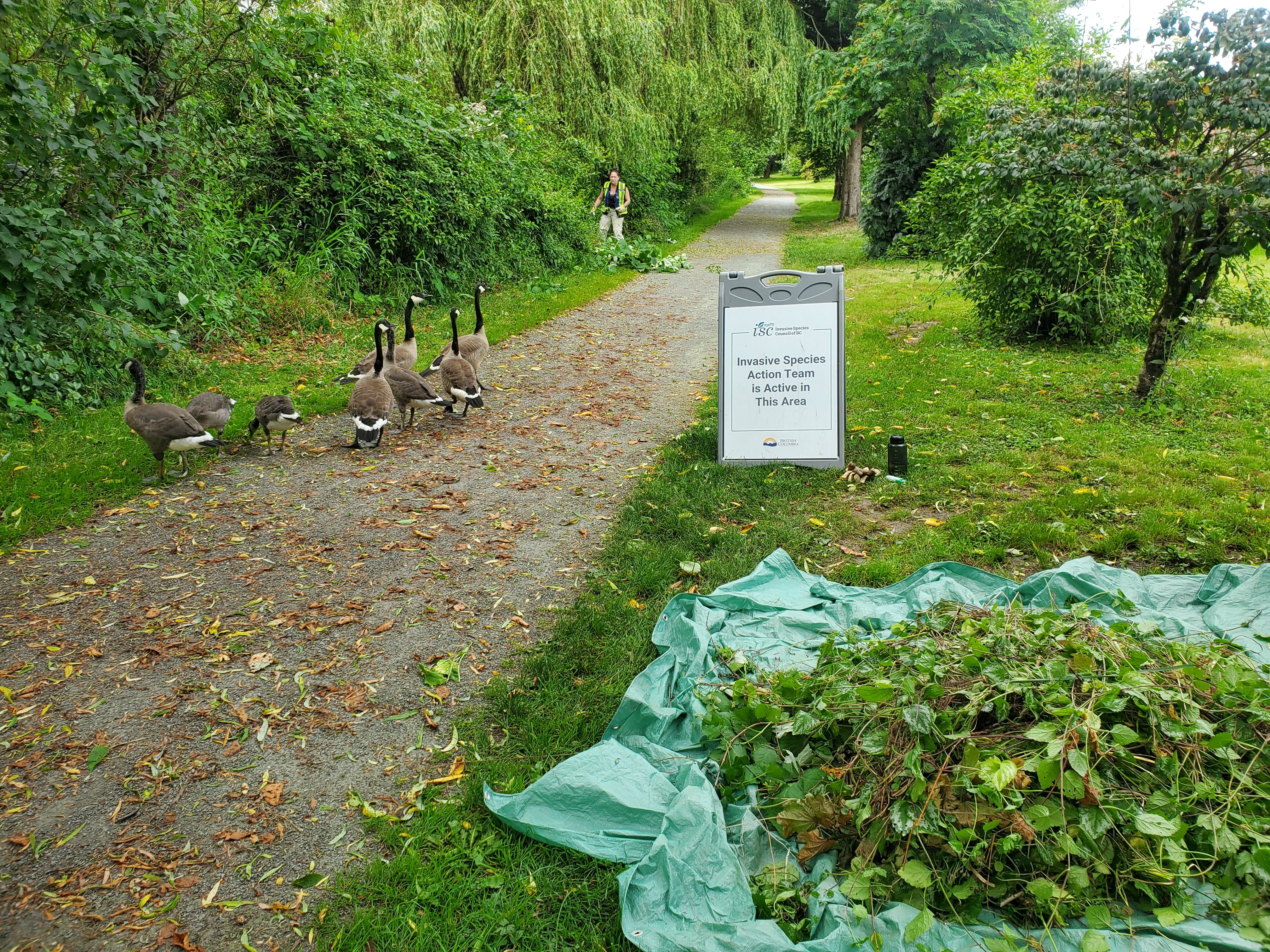
Directed up to five concurrent field crews across 50+ conservation areas, parks, and green spaces, and ran water quality and invasive mussel monitoring across 15 lakes. Developed regional work plans and safety protocols, managed field data in InvasivesBC, and coordinated multi-agency initiatives with BC Parks, Metro Vancouver, and municipalities.
2016 to 2018
Habitat Restoration Technician
Green Admiral Natural Restoration
Delivered restoration planting, invasive removal, and site preparation across Metro Vancouver ecological restoration contracts.
2011 to 2016
Swing Manager
McDonald's Canada
Supervised shift operations for a crew of up to 15, coordinating scheduling, workstation assignments, and break rotations through peak periods. Led the Gold Standard Launch for new menu rollouts, ran the restaurant's Health and Safety Committee monthly, and trained and onboarded new crew members.
Selected projects
Click any project for the full story: the situation, my task, what I did, and the result.
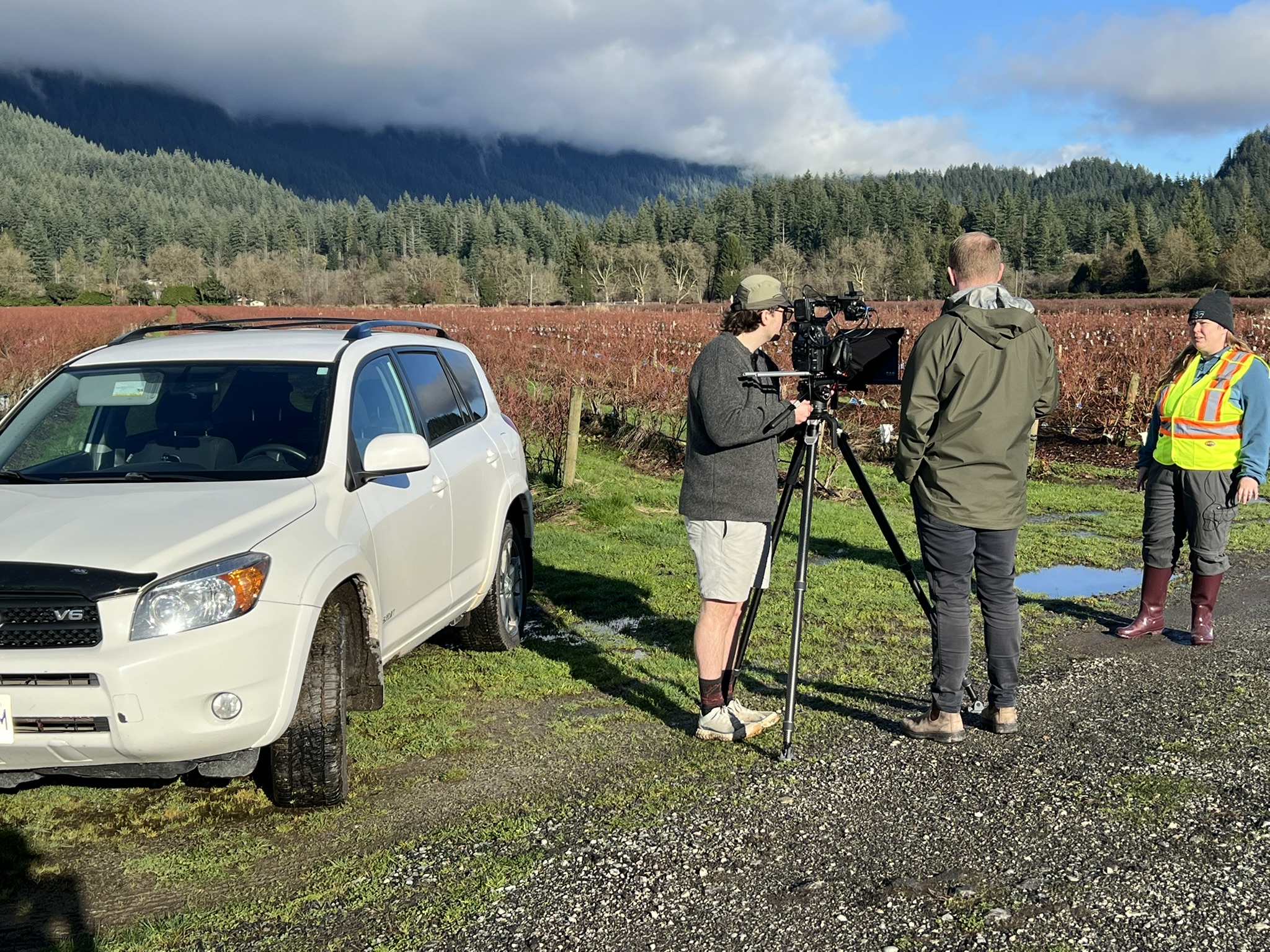
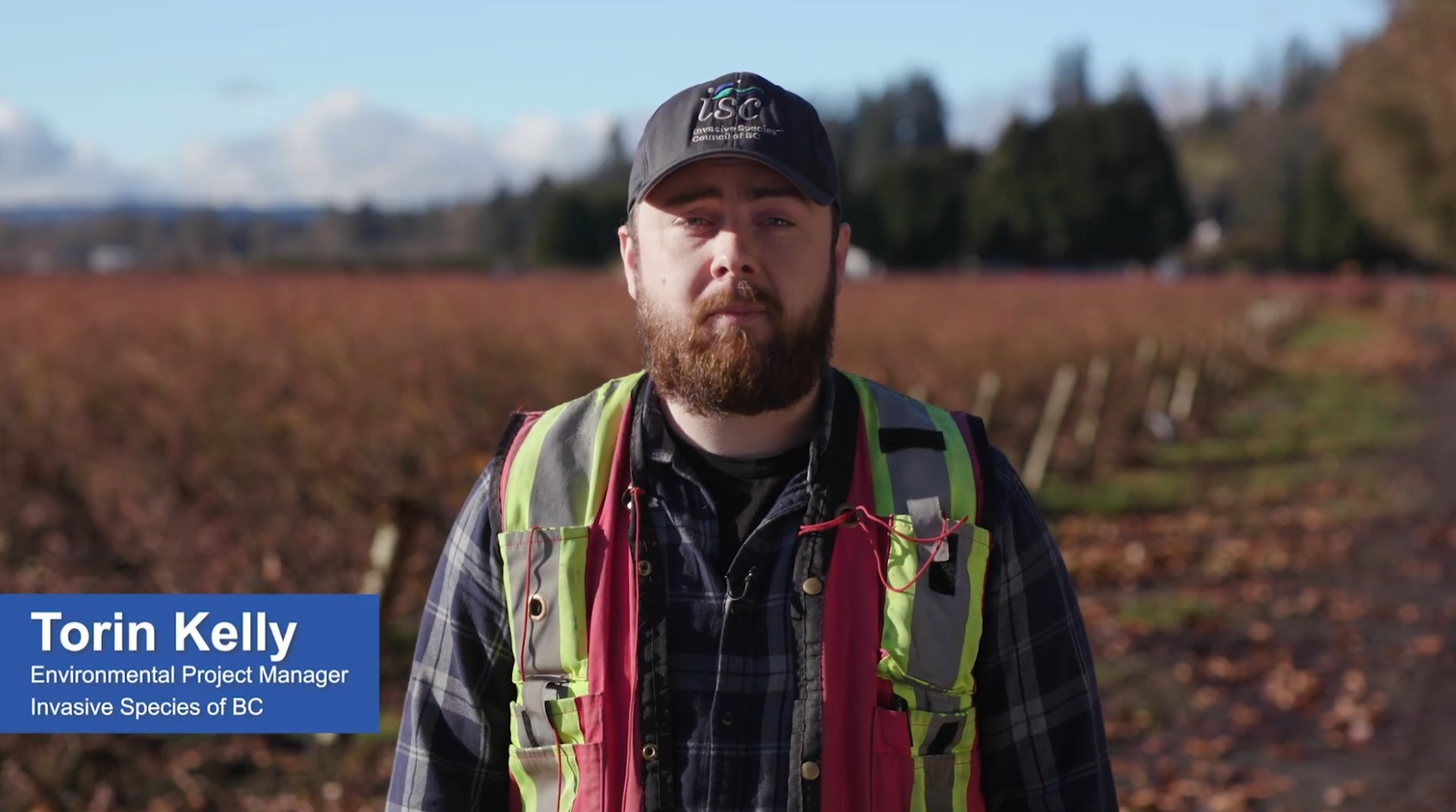
Teaching and training, on camera
Webinars, micro-learning videos and full course recordings. Click a thumbnail to play.
Pre-Season Preparation
Invasive Species in Agriculture · Micro-learning series
A short, practical session on preparing for the growing season with invasive species risk in mind, from the year-round risk reduction micro-learning series.
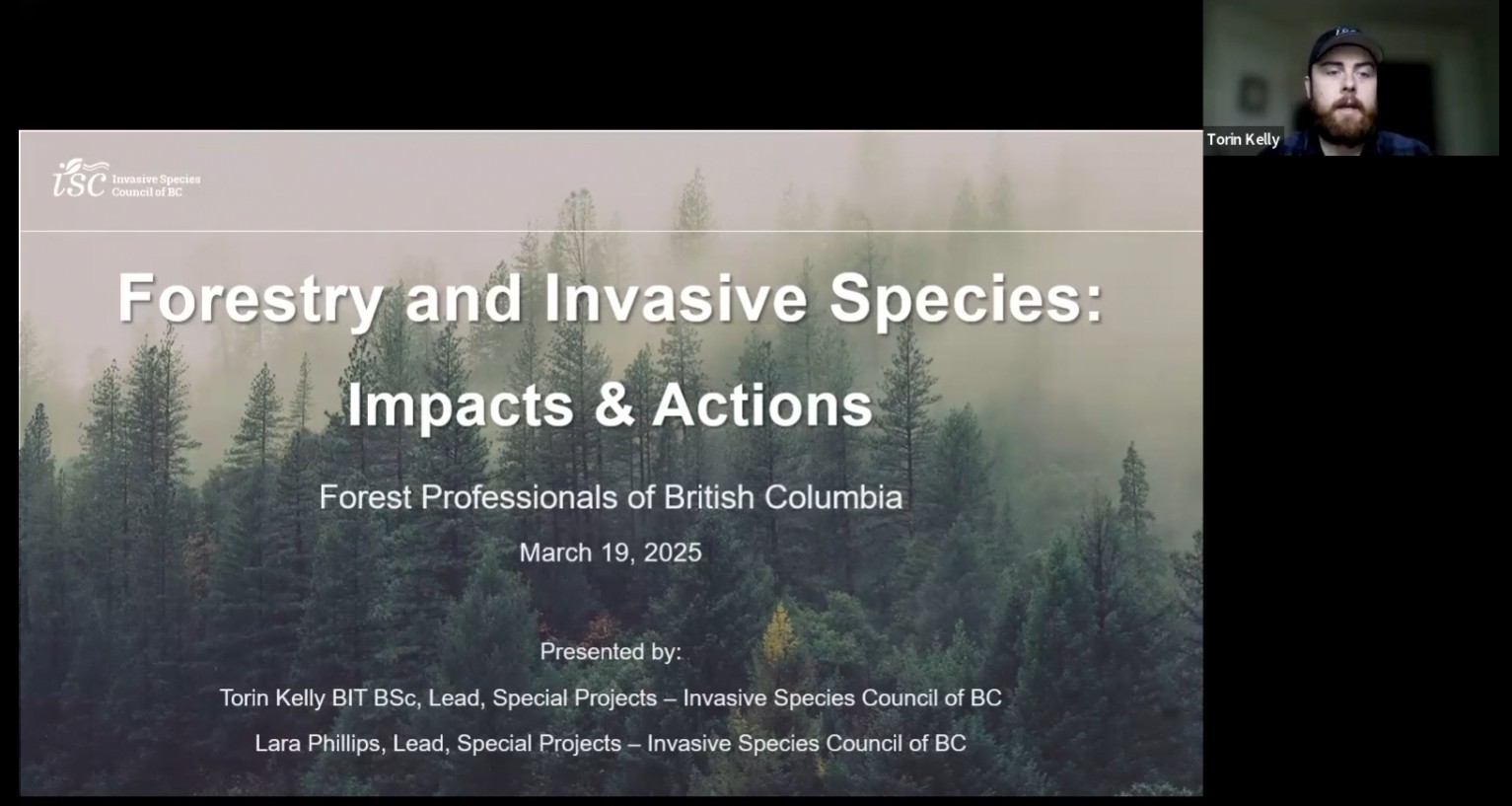
Forestry and Invasive Species: Impacts and Actions
Training session · Hosted on Vimeo
A training session on how invasive species affect forest values and operations, and the practical actions forestry practitioners can take on the ground.
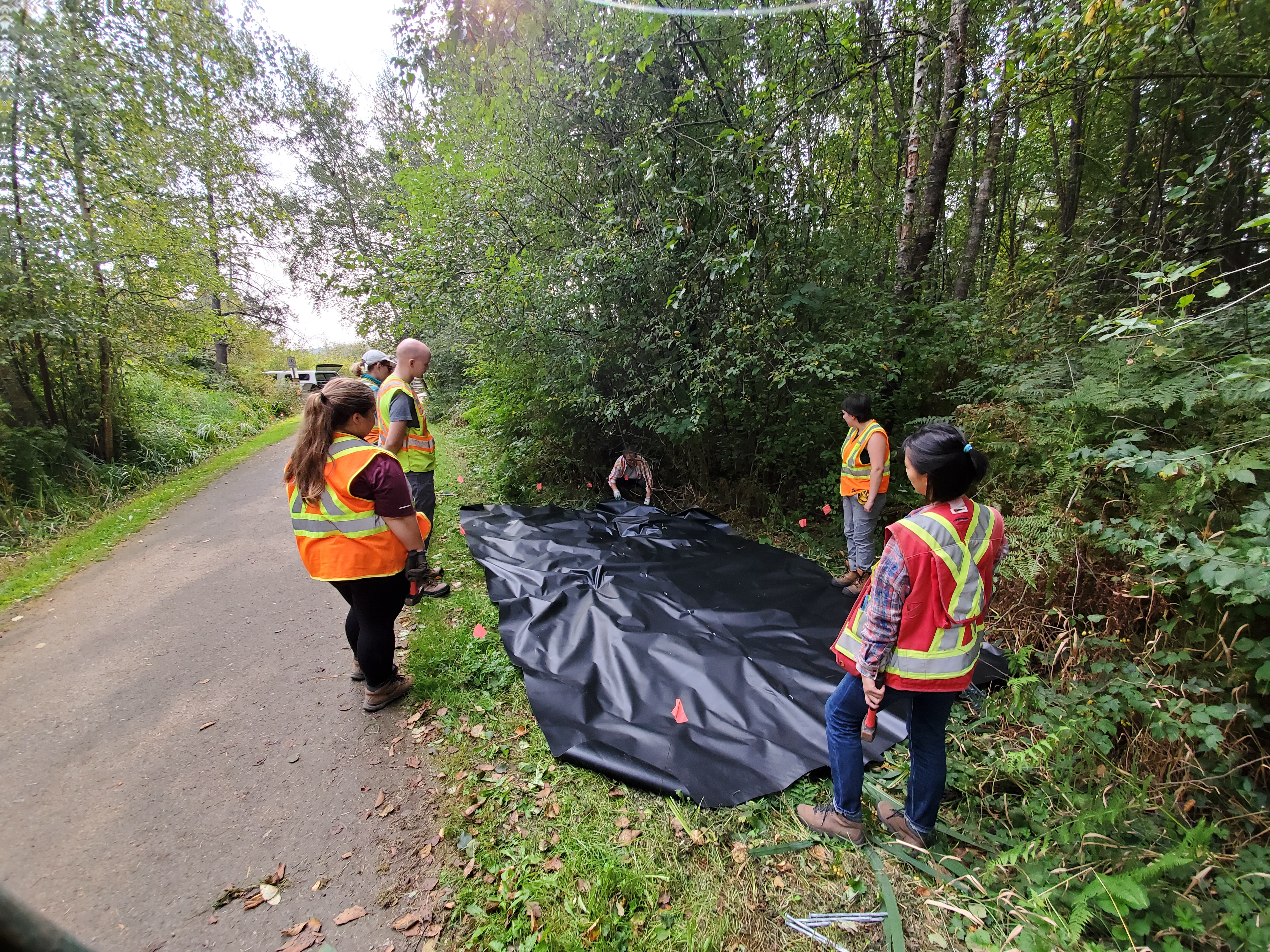
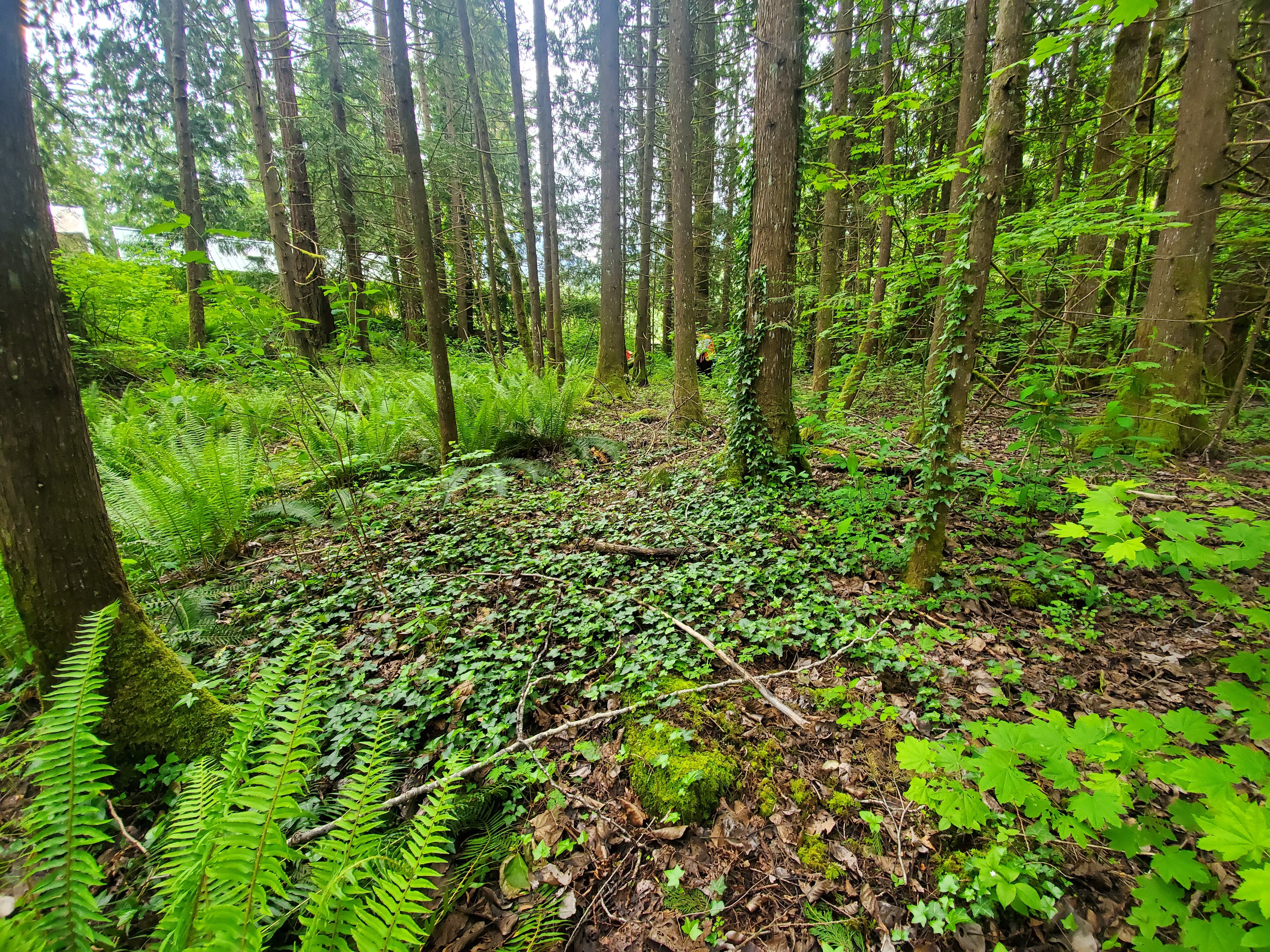
Invasive plant management across British Columbia requires coordinating field delivery across long distances, varied biogeoclimatic zones, and a mix of public, municipal, First Nations, and industrial lands. As Field Operations Coordinator, I brought together up to five seasonal field crews operating simultaneously in the Fraser Valley, the Lower Mainland, and the Cariboo, with accountability for crew training, regional planning, site prioritization, and stakeholder coordination across very different landscape and operational contexts.
T
Task
Field Operations Coordinator. Directed up to five concurrent regional crews, developed regional work plans and safety protocols, and coordinated with landowners, partner agencies, and municipalities across the Fraser Valley, Lower Mainland, and Cariboo.
A
Action
Directed up to five concurrent field crews across the Fraser Valley, the Lower Mainland, and the Cariboo, managing deployment, scheduling, and equipment logistics across distinct regions
Developed and delivered staff training programs in invasive plant identification, pesticide application, equipment operation, field safety, and integrated pest management for crew members of varied experience levels
Designed annual regional work plans that integrated legislative requirements, environmental safeguards, and risk-based site prioritization across 50+ treatment and restoration sites
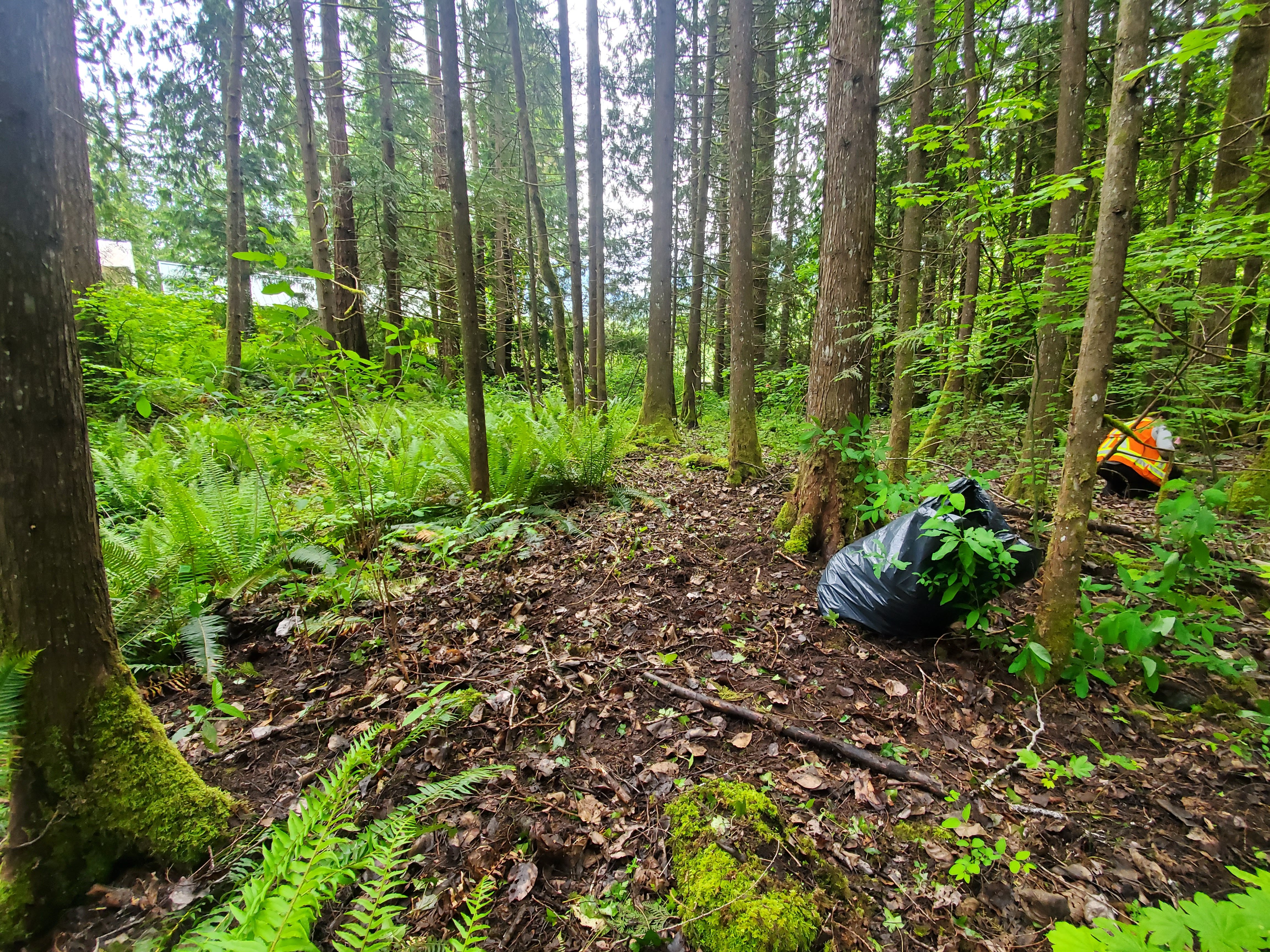
Ran invasive species impact surveys, restoration planting assessments, and vegetation and habitat documentation across 50+ conservation areas, parks, and green spaces on public and private land, informing risk-based site prioritization
Coordinated partnerships with Metro Vancouver, BC Parks, municipal staff, First Nations land stewards, and industrial operators to align field activities with landowner requirements
Applied GIS-based spatial analysis including buffer and overlay modelling to delineate environmental constraints and support treatment prioritization
Reviewed contractor performance and environmental documentation to ensure consistency with provincial regulatory requirements
R
Result
Consistent delivery across three regions spanning coastal rainforest, urban interface, and interior dry belt ecosystems
50+ conservation areas, parks, and green spaces surveyed and documented across the Fraser Valley and Metro Vancouver
Water quality and invasive mussel monitoring completed across 15 lakes over three years (YSI meter, Secchi disk, veliger net)
Crew training programs established as reusable ISCBC materials for subsequent seasonal intakes
That field experience shapes how I design programs, scope research trials, and write technical documents today
ResearchMonitoringOperations
S
Situation
Traditional right-of-way vegetation management relies on mechanical clearing and herbicide application. Both methods face ongoing challenges related to cost, environmental impact, and public perception, particularly in areas adjacent to Indigenous territories or water bodies. Enbridge sought evidence-based alternatives suited to difficult terrain.
T
Task
Lead researcher and co-author. Designed the monitoring protocol, led field data collection at the Mackenzie site, ran statistical analysis in R, and co-authored both the Year 1 and Year 2 technical reports.
A
Action
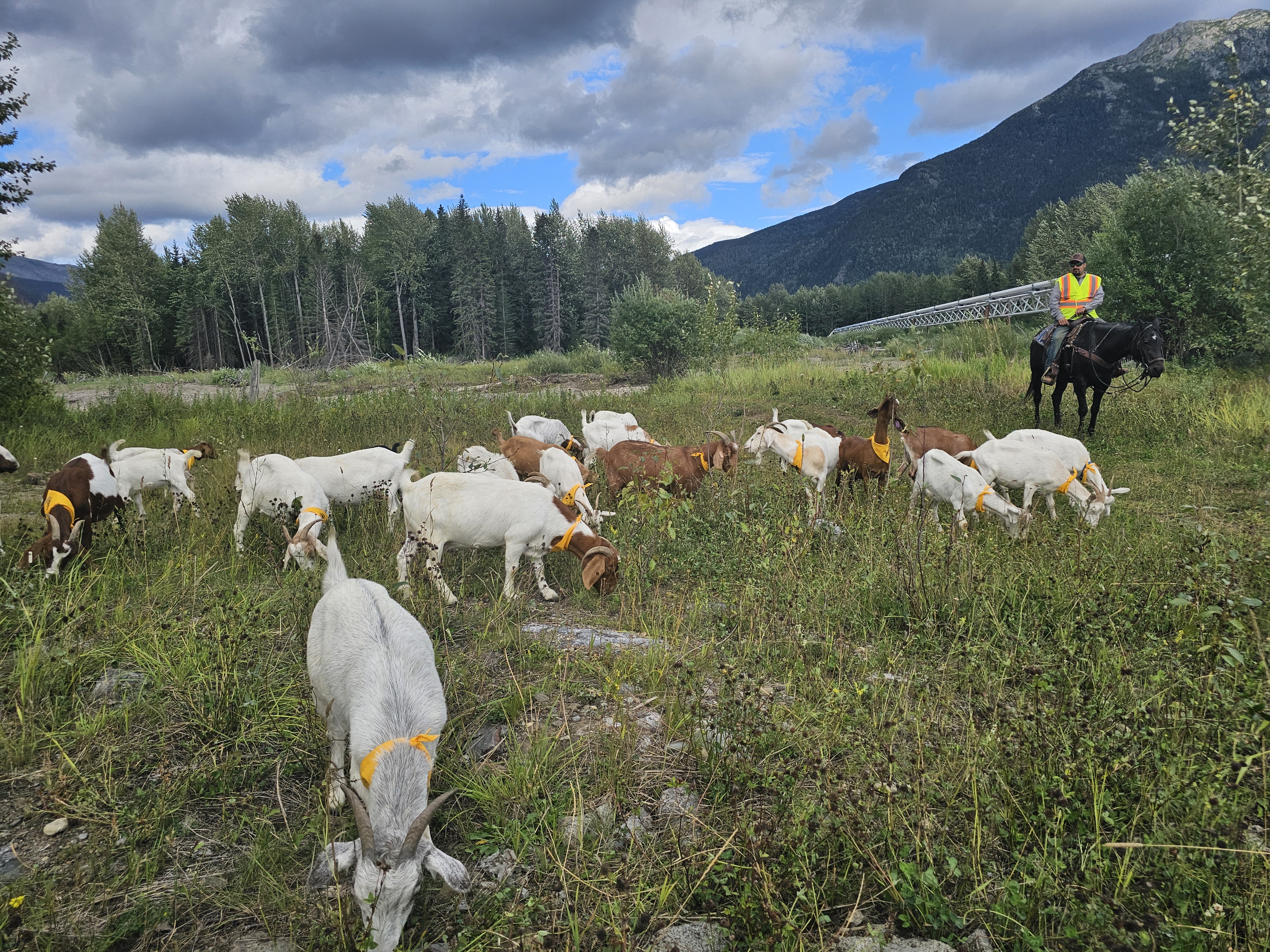
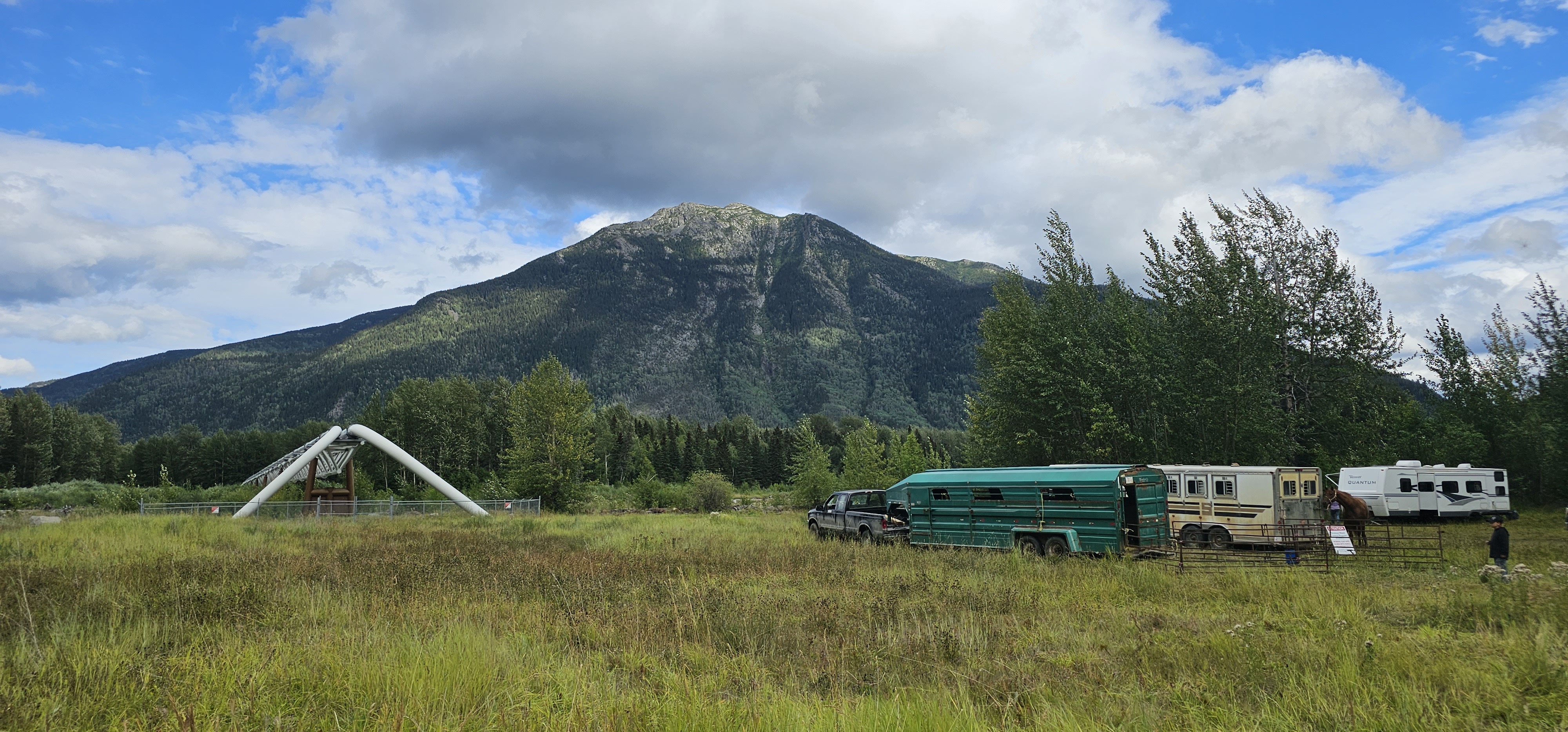
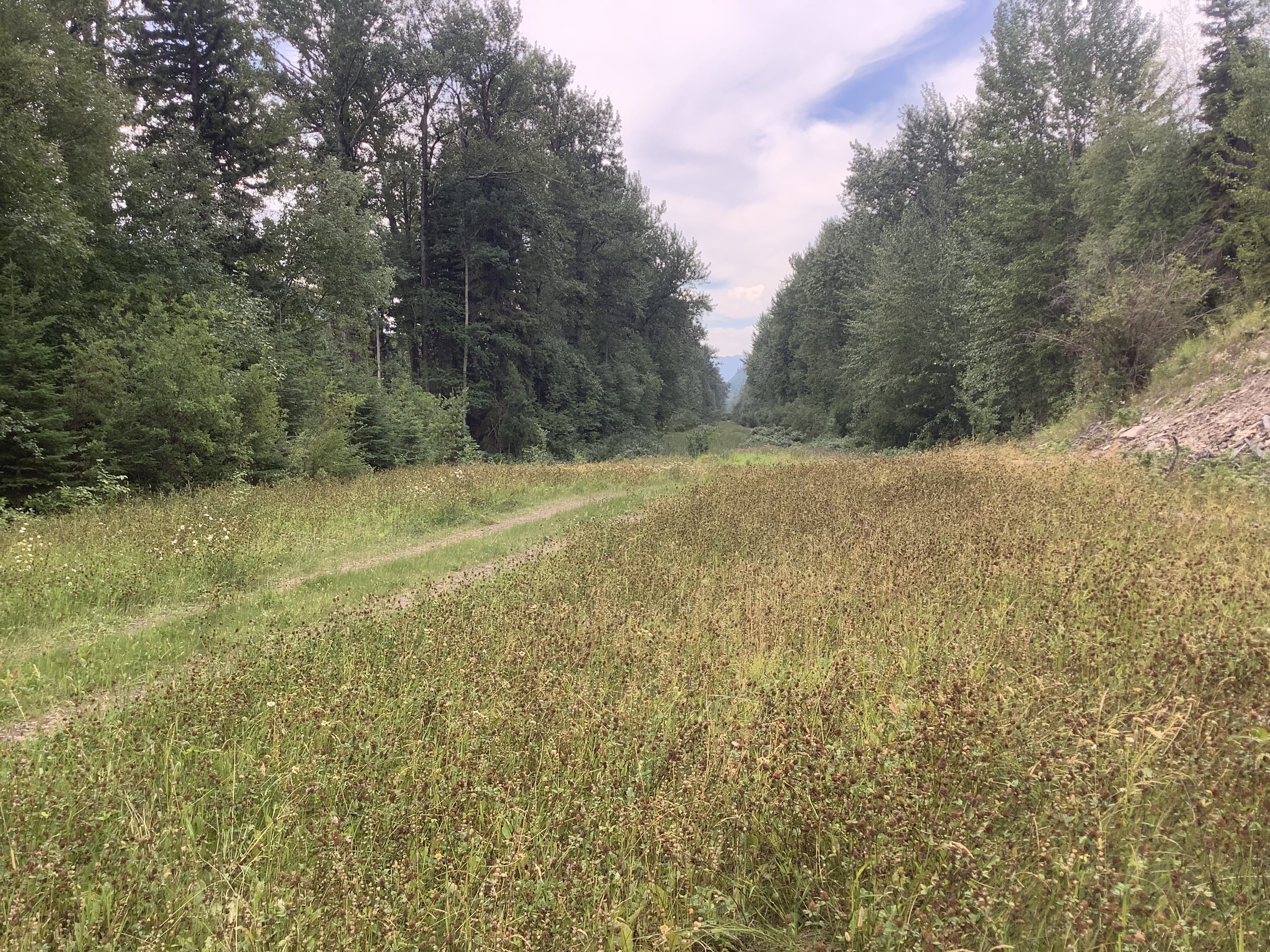
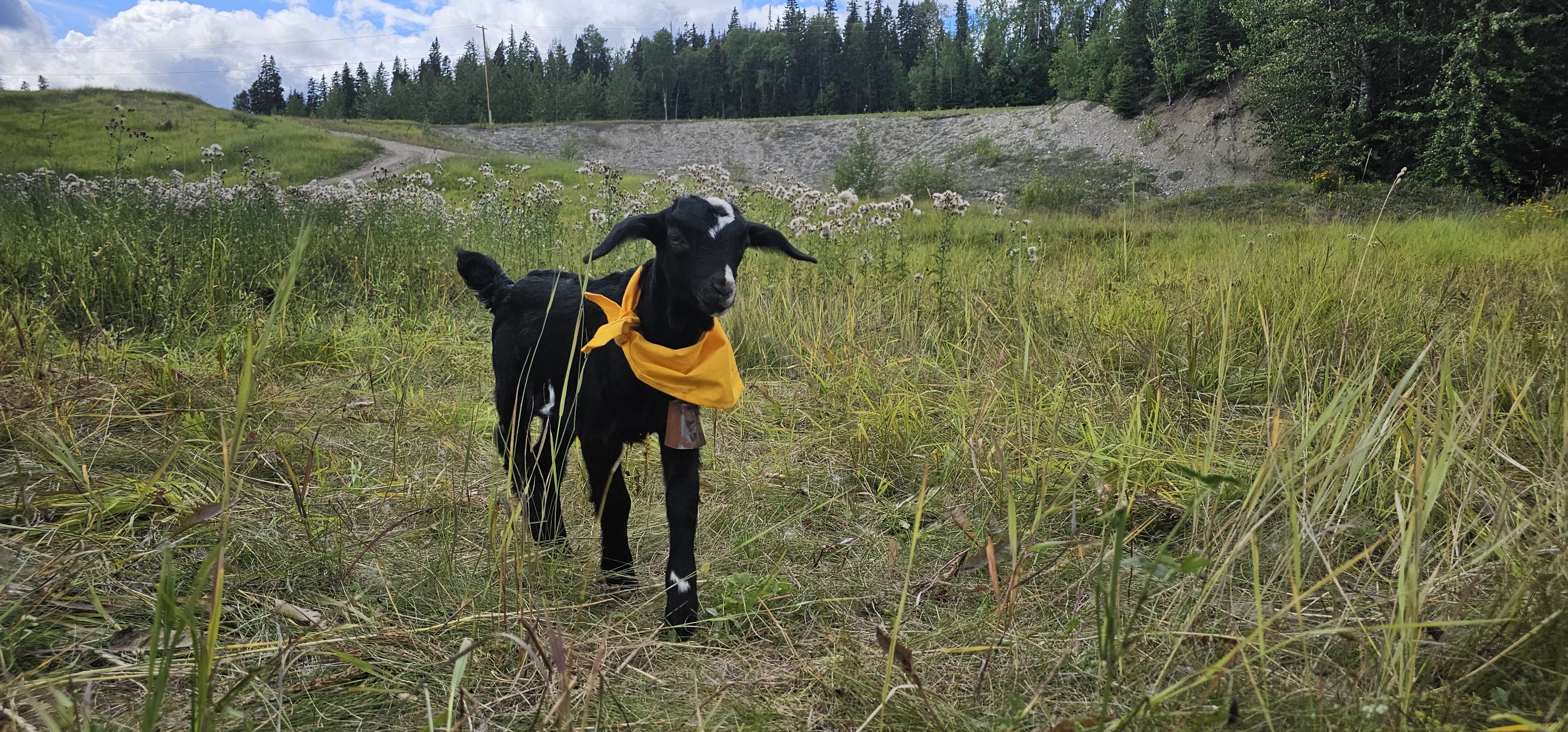
Deployed 30 goats over one week on a 0.5-hectare ROW site approximately 50 km northeast of Mackenzie, BC
Established five 1 m² quadrats in each grazing and control area; clipped pre-grazing biomass and wet-weighed by species
Added adjacent control plots in Year 2 to strengthen comparative analysis
Set up photo points at four plot corners in both treatment and control areas
Analyzed pre- and post-grazing biomass and species diversity using paired t-tests in R Studio, with Shapiro-Wilk and Levene's checks on assumptions
Co-authored Year 1 and Year 2 technical reports with Dave Ralph and Nick Wong
R
Result
Statistically significant biomass reductions demonstrated in both 2023 and 2024 trial years
No statistically significant change in species diversity, flagged for further multi-year study
Evidence supports targeted goat grazing as a viable IPM component for ROW management
Recommendations produced for expanded sample sizes, behavioural herd training, and integration with reseeding and selective herbicide application
Year 2 report published December 2024, delivered in partnership with Spectrum Resource Group, Wright Canada Holdings, and Rocky Ridge Vegetation Control
ResearchMonitoringScientific Communication
S
Situation
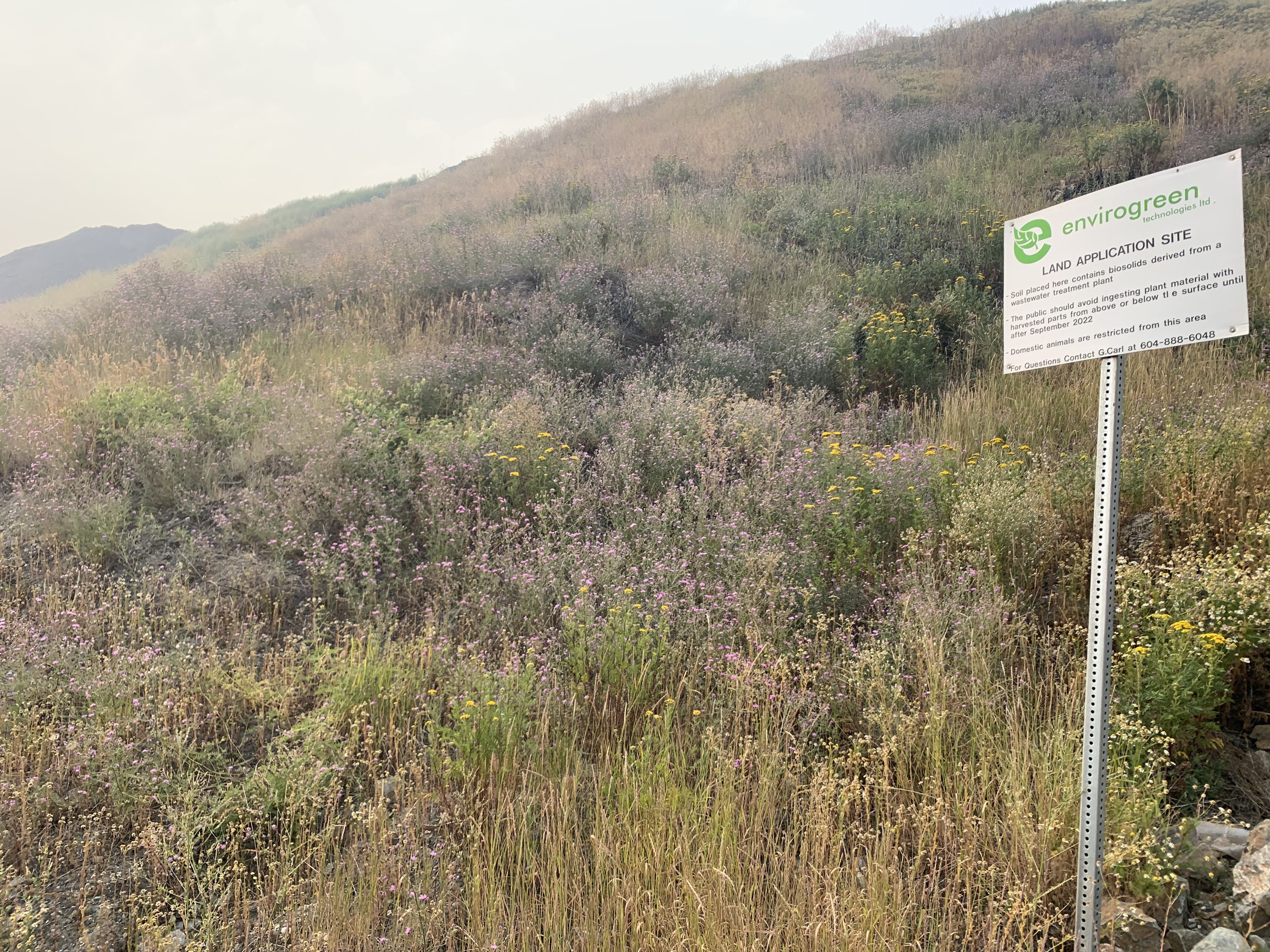
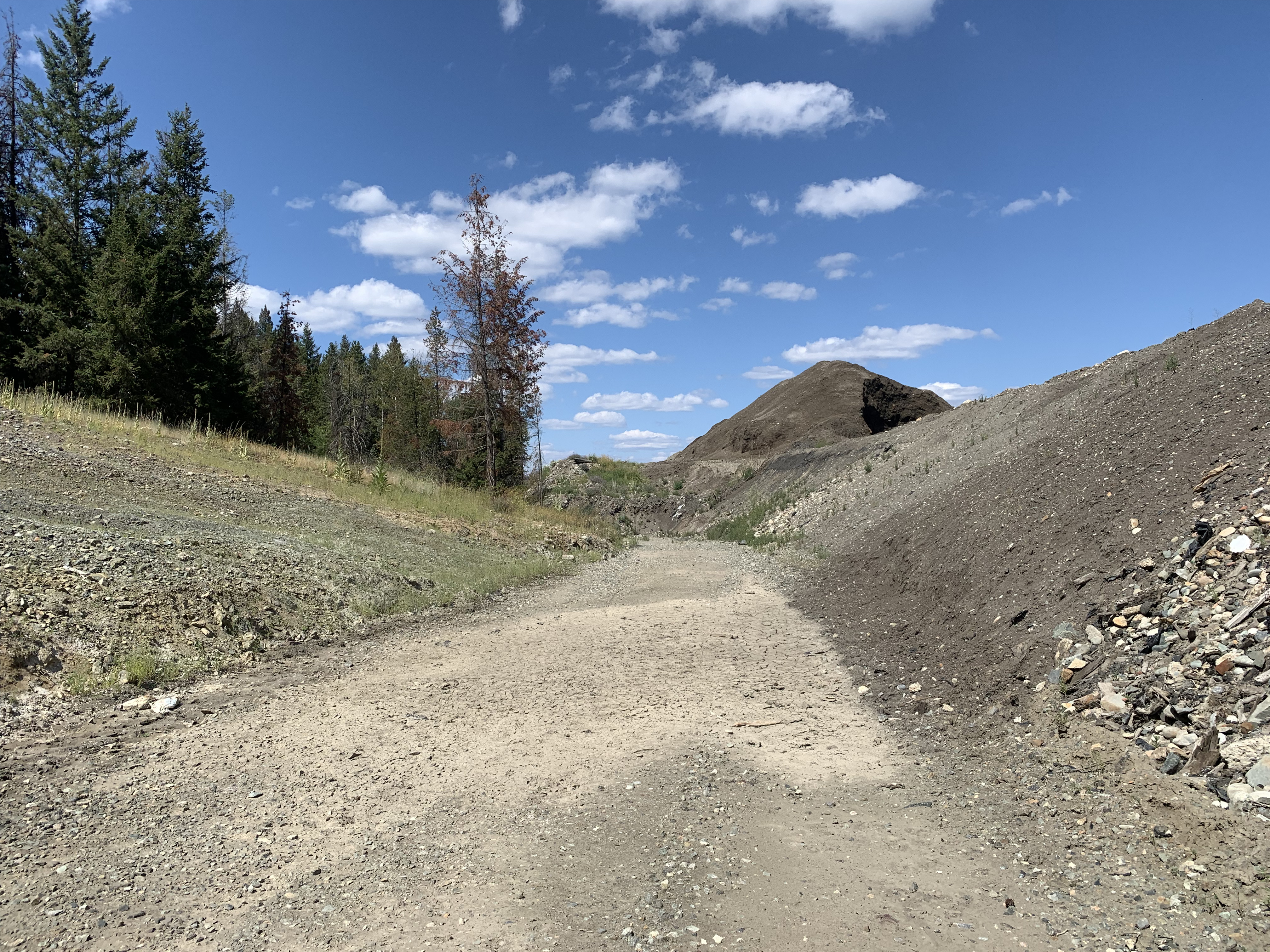
ETL receives contaminated soils from sites across BC for thermal treatment at its Princeton facility. Soils arriving from the Lower Mainland carry a risk of transporting invasive plant seeds and fragments into the Similkameen region, where several species of concern are not yet established. ISCBC was engaged to characterize that risk through a site-level habitat assessment and a review of ETL's operational procedures, providing a foundation for evidence-based biosecurity improvements.
T
Task
Lead author on both deliverables. Conducted the site survey, designed the assessment framework, produced the baseline invasive plant inventory, and wrote both the suitability report and the process improvement report delivered to ETL.
A
Action
Divided ETL's 22-hectare Princeton site into distinct survey areas based on habitat type and invasive plant community, and conducted a systematic baseline inventory of invasive plants present across all areas
Assessed habitat suitability for seven species of concern (Wild Chervil, Canada Thistle, Shiny Geranium, Perennial Pepperweed, Poison Hemlock, Cordgrass, and Japanese Knotweed) by evaluating whether site conditions met the life history requirements of each species.
Identified which species of concern were present on site, which were absent but at risk of establishment, and which site features created conditions favourable to colonisation
Established a documented baseline inventory to support ongoing monitoring and early detection of newly arriving species
Reviewed each stage of ETL's soil handling workflow (source site loading, transport, facility intake, screening, feedstock storage, thermal treatment, and reclamation mix production) and identified points where invasive plant seeds or fragments could survive, escape, or be introduced.
Assessed containment practices during transport, including tarp and burrito-wrap securing methods, and identified gaps in load security over long hauls from Abbotsford to Princeton
Evaluated offloading and feedstock storage areas for exposure risk, including the handling of rootballs, plant parts, and organic debris removed during screening
Assessed post-treatment handling procedures, including transfer pad management and the sourcing of organic materials used in reclamation mix production
Delivered prioritized recommendations covering enhanced containment during transport, routine monitoring of offloading and storage areas, enclosed storage for untreated feedstock, and invasive-free certification requirements for reclamation organics
Invasive Plant Survey and Suitability Report
Process Improvement Report
R
Result
Produced the first documented baseline inventory of invasive plants on ETL lands, establishing a reference point for future monitoring and early detection efforts
Identified establishment risk for seven invasive plant species and flagged site features, including disturbed transitional zones and soil stockpile areas, as priority locations for ongoing surveillance
Identified multiple points across ETL's workflow where invasive plant material could survive or escape containment, from source site loading through to reclamation mix production
Delivered a practical set of operational recommendations that ETL can implement incrementally across its soil handling procedures to reduce transfer risk
Provided ETL with a defensible, evidence-based biosecurity framework to support responsible soil management and demonstrate due diligence under provincial invasive species best practices
FacilitationScientific CommunicationOperations
S
Situation
Agricultural producers face significant productivity losses from invasive plants, insects, and pathogens, but have historically had limited access to sector-specific, applied training. This program addressed that gap through multiple delivery formats.
T
Task
Program lead. Designed and managed all delivery streams — webinars, hybrid workshops, eLearning courses, and field resources — while coordinating 15 project partners and a team of subject-matter experts from industry, government, and academia.
A
Action
Developed and delivered four online knowledge-sharing webinars (505 combined registrants)
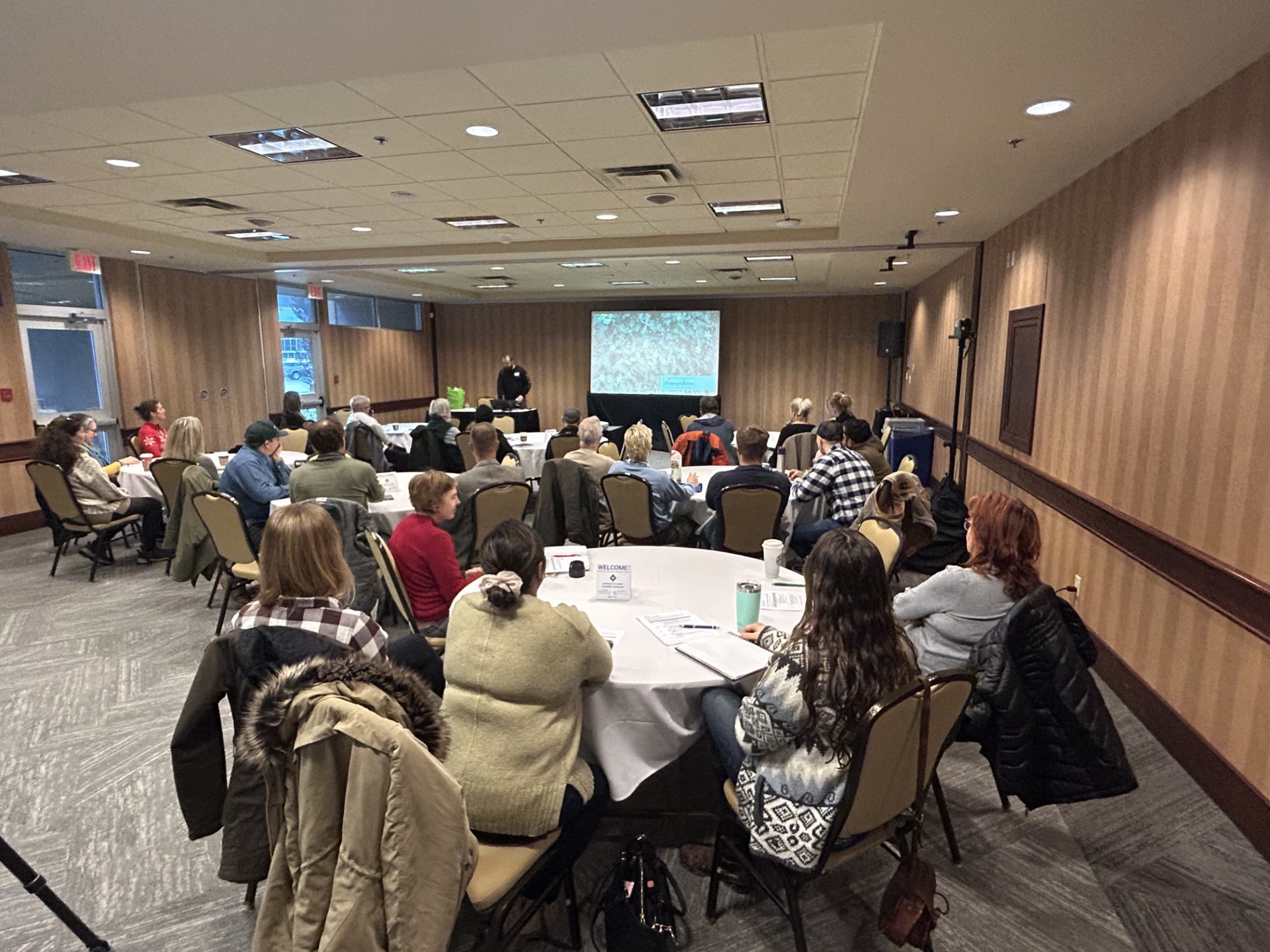
Hosted two in-person hybrid workshops in Williams Lake (November 2025) and Penticton (December 2025) with 92 combined attendees
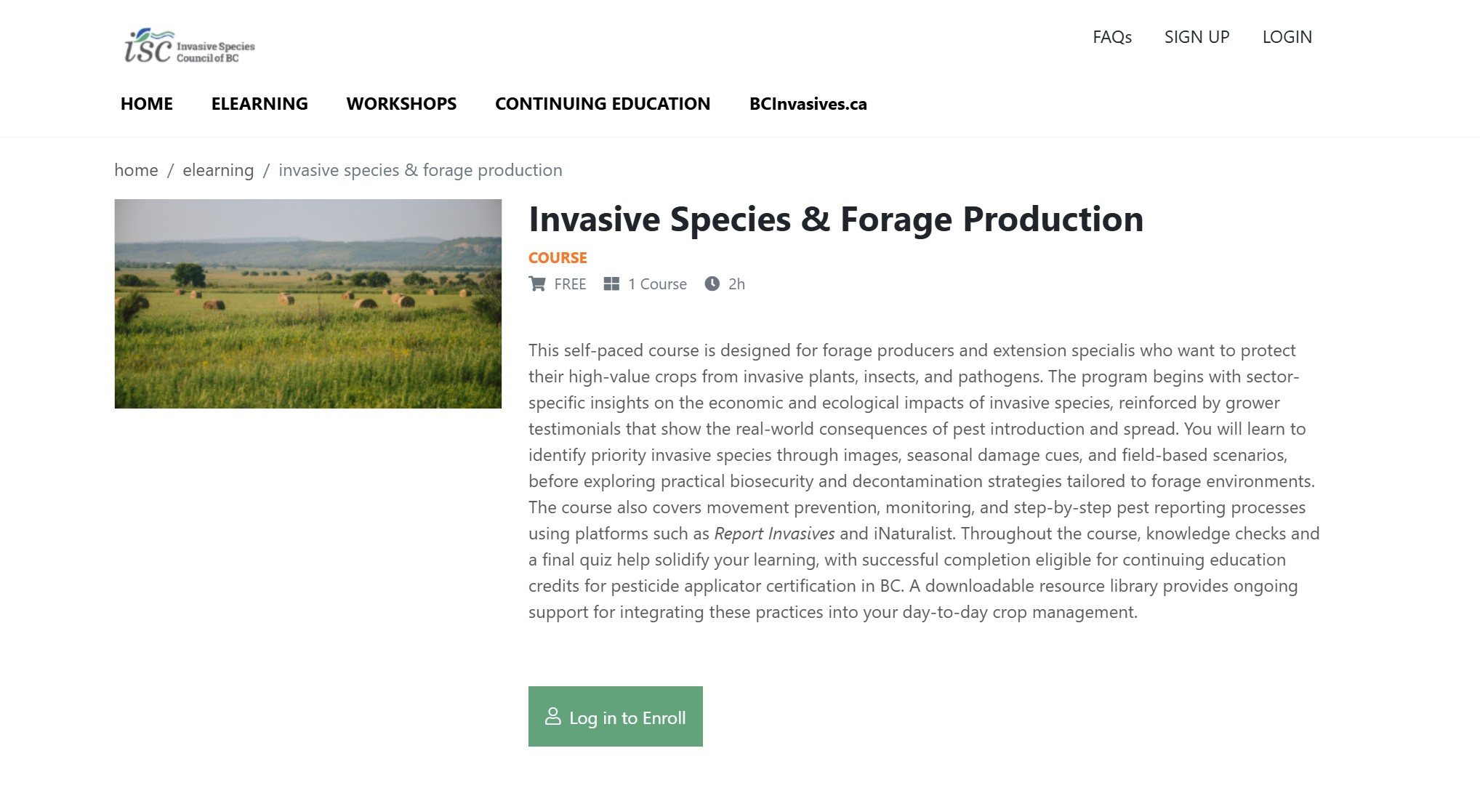
Developed two self-paced eLearning courses (Forage; Fruits, Berries & Vineyards)
Produced a five-video micro-learning series on year-round invasive species risk reduction
Developed a Field Guide for Identification of Agricultural Invasive Species
Engaged 15 project partners; coordinated expert speakers from industry, government, and academia
R
Result
550 direct participants engaged across all delivery formats
Two eLearning courses published and publicly accessible
Five micro-learning videos produced and hosted online
Field identification guide developed (pending graphic design finalization)
Participants included forage producers, cattle ranchers, fruit and berry growers, vineyard owners, First Nations members, government staff, and consultants
FacilitationScientific CommunicationOperations
S
Situation
Certified pesticide applicators are a legal requirement for invasive plant control on public and industrial lands across British Columbia under the Integrated Pest Management Act. Demand for sector-specific, practitioner-led training has grown as municipalities, utilities, and industrial operators strengthen compliance programs. These courses prepare candidates for the provincial Industrial Vegetation and Noxious Weed applicator examinations administered by the BC Ministry of Environment and Climate Change Strategy.
T
Task
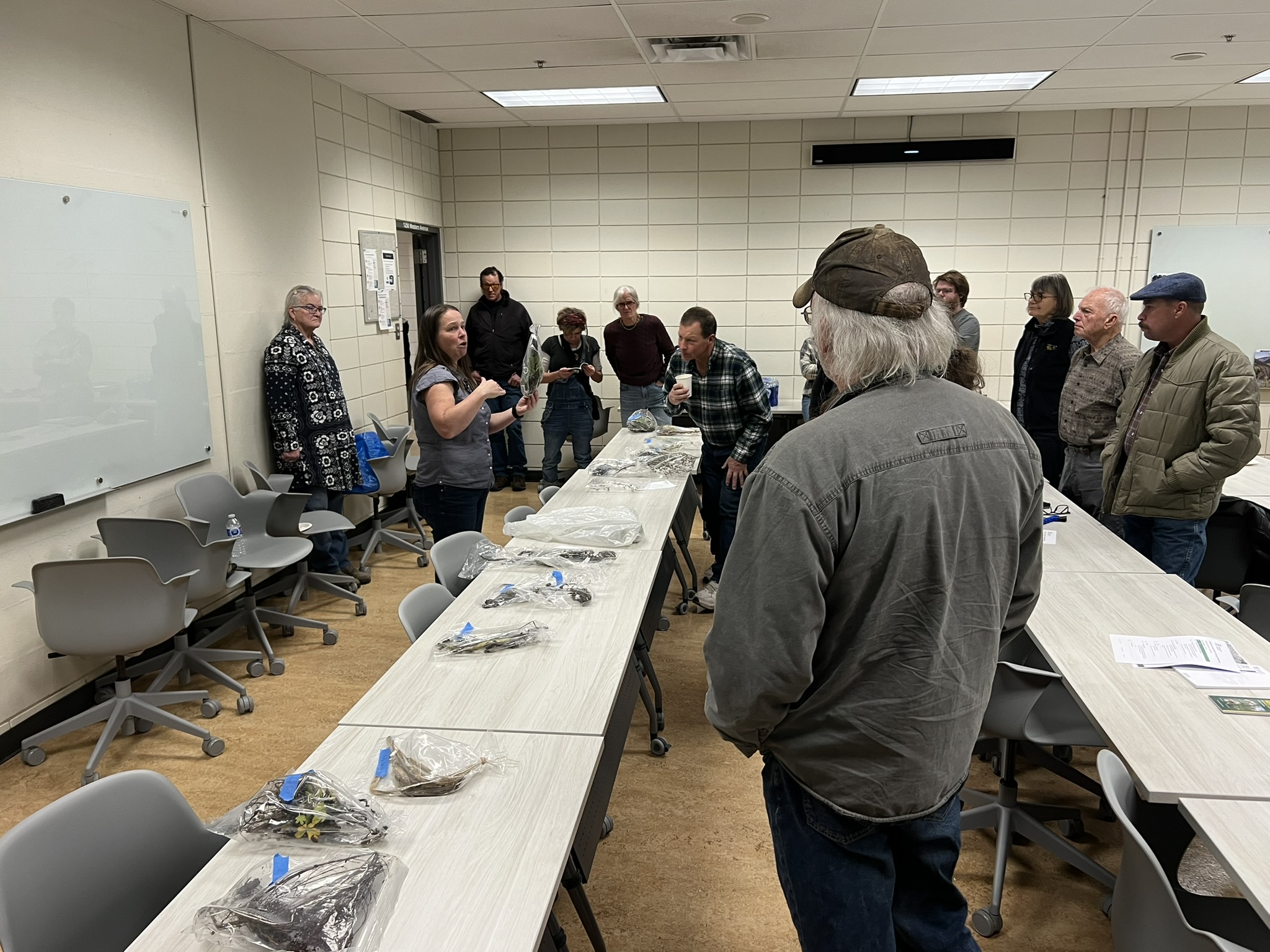
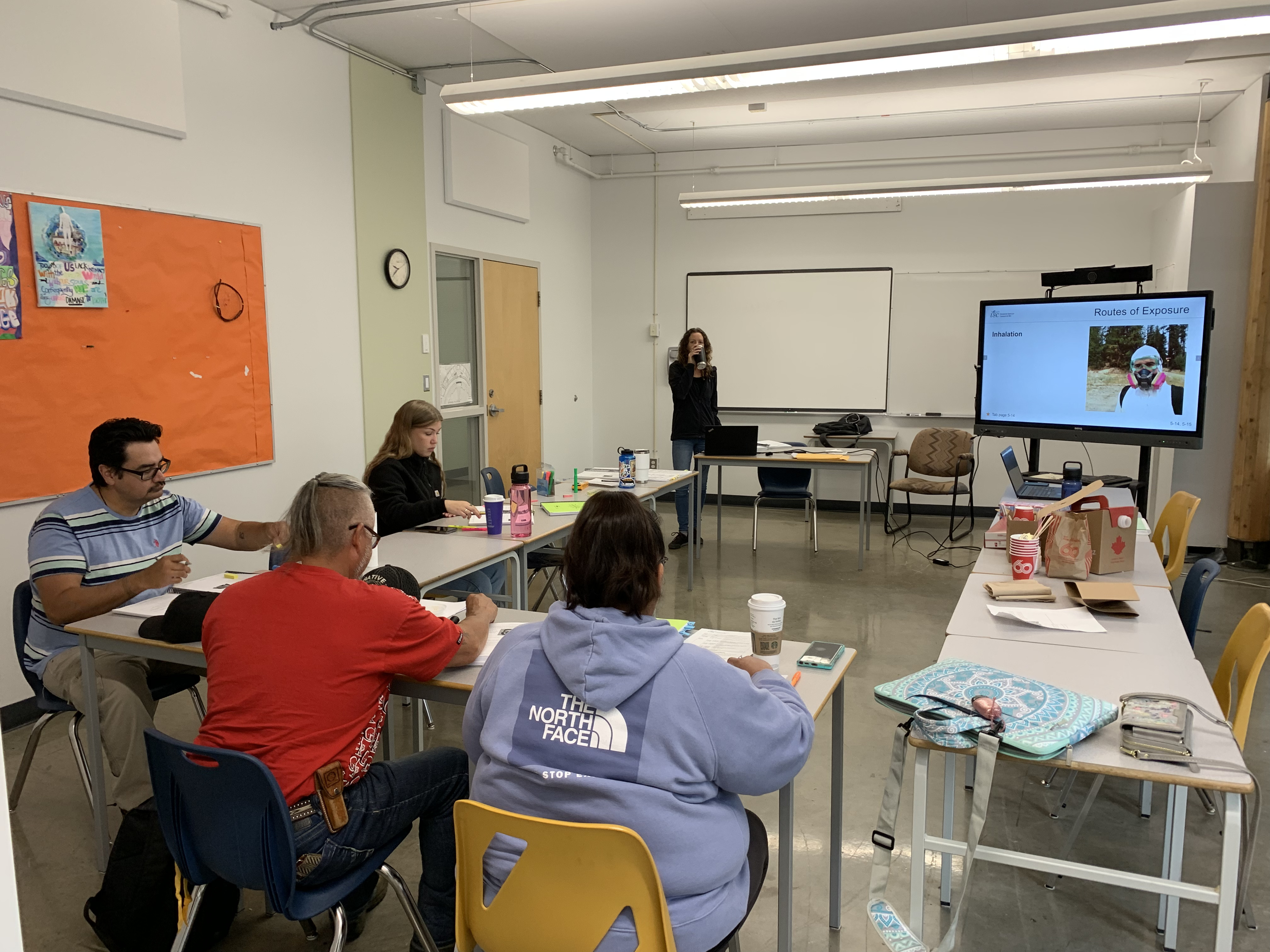
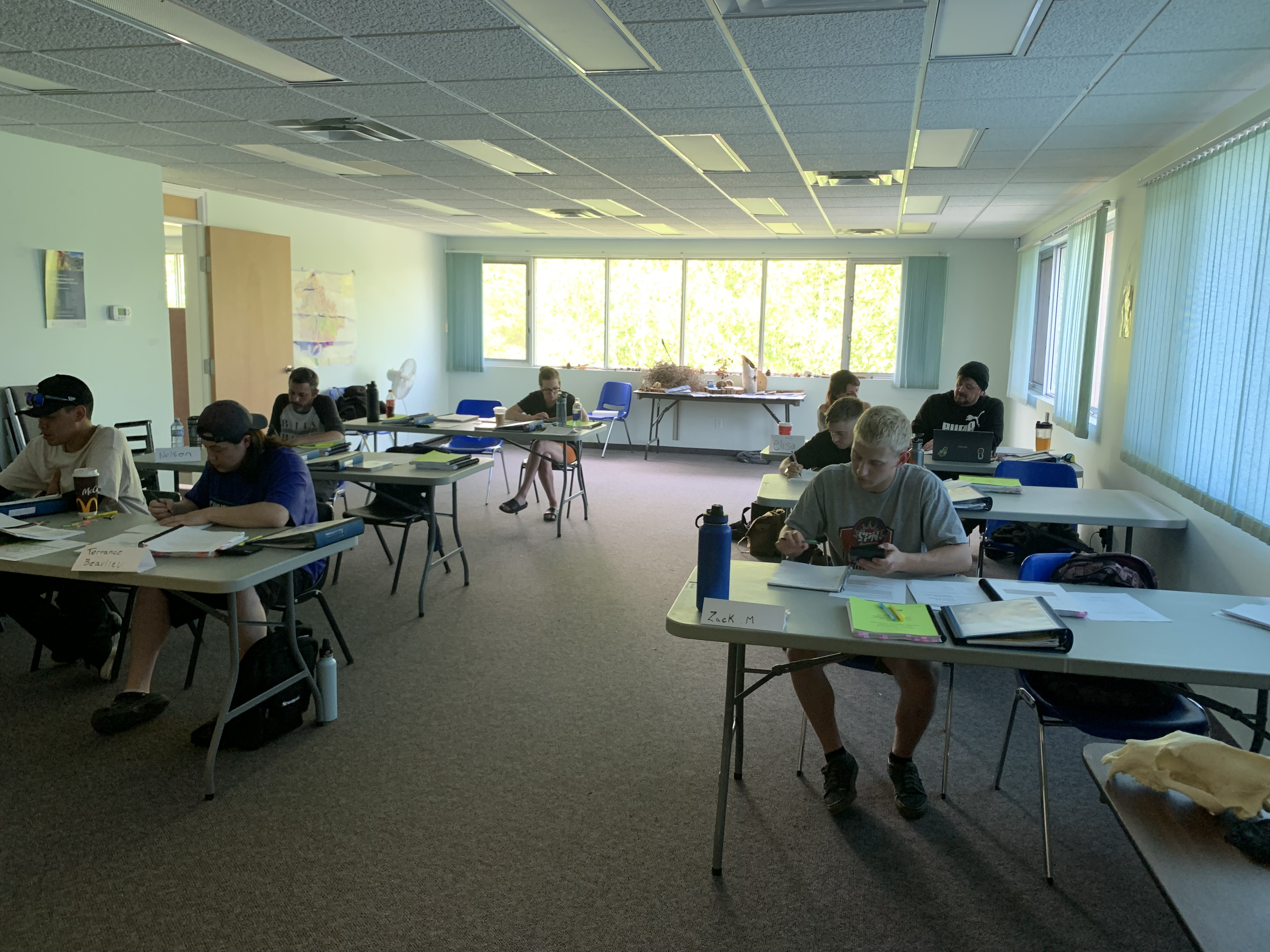
Lead instructor. Developed all curriculum and course materials — slides, field demonstrations, and practice exam content — and delivered 30 days of certification training directly to participants across British Columbia.
A
Action
Delivered 30 days of Industrial Vegetation and Noxious Weed applicator certification training across multiple regions of British Columbia
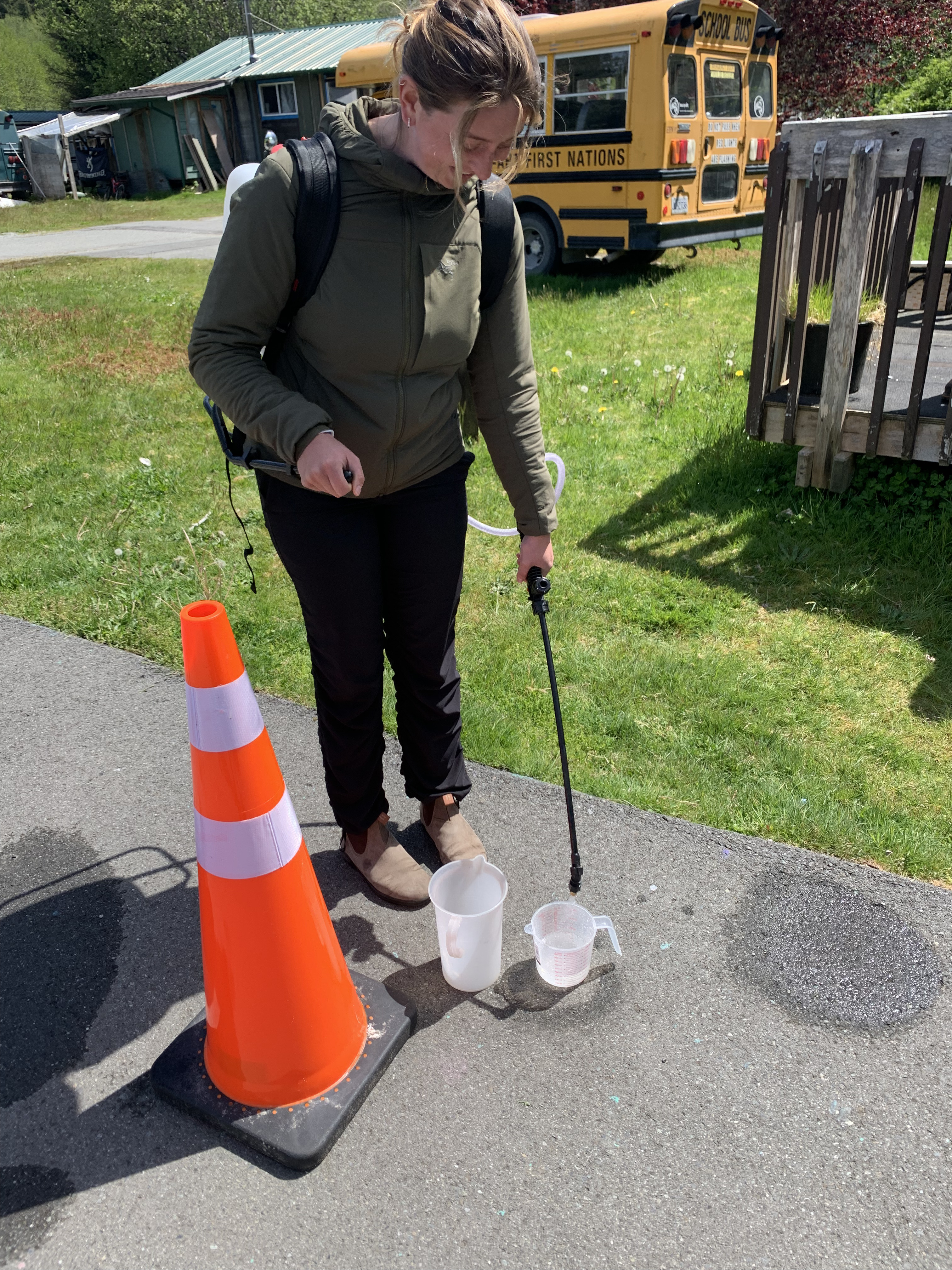
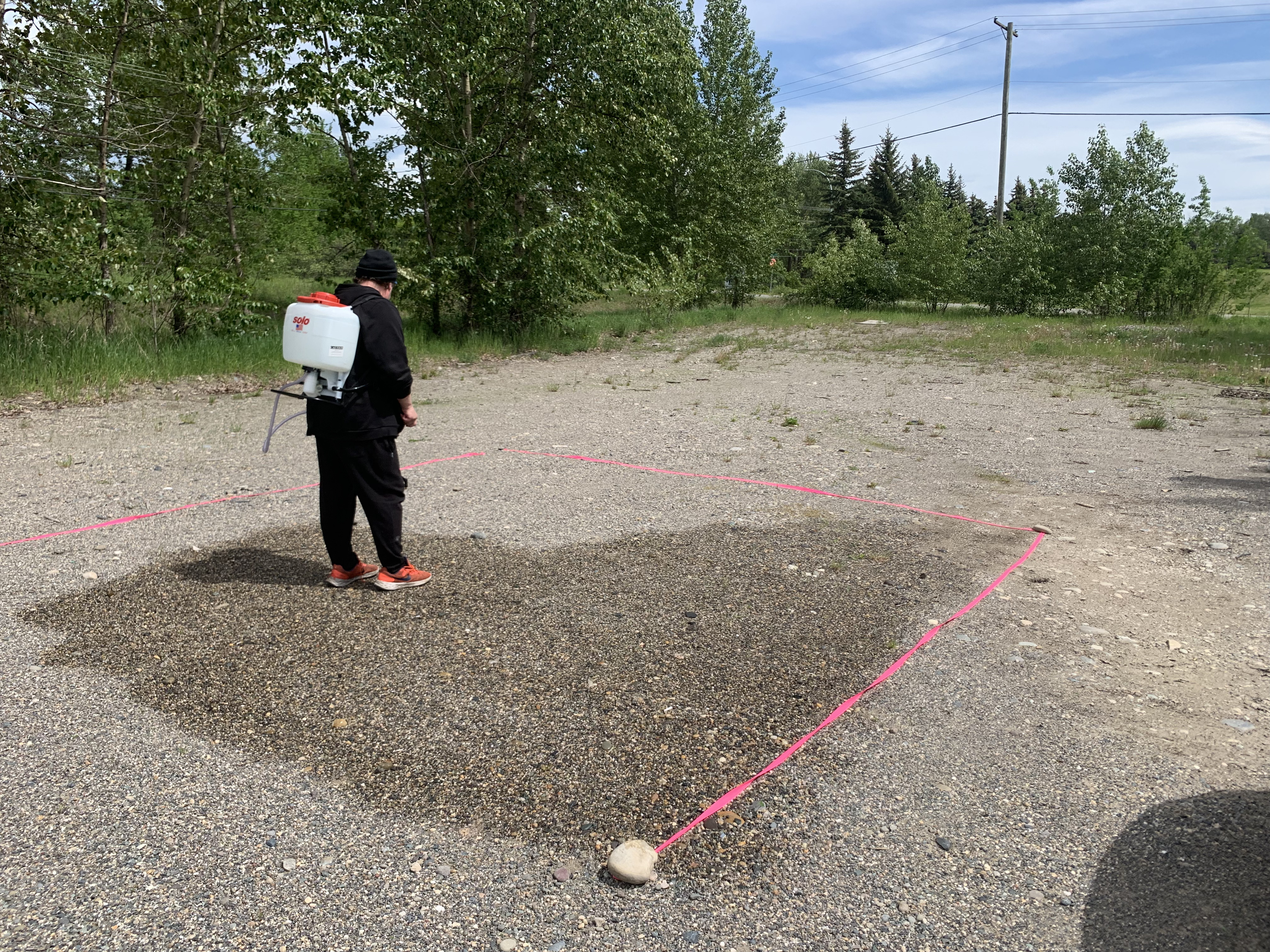
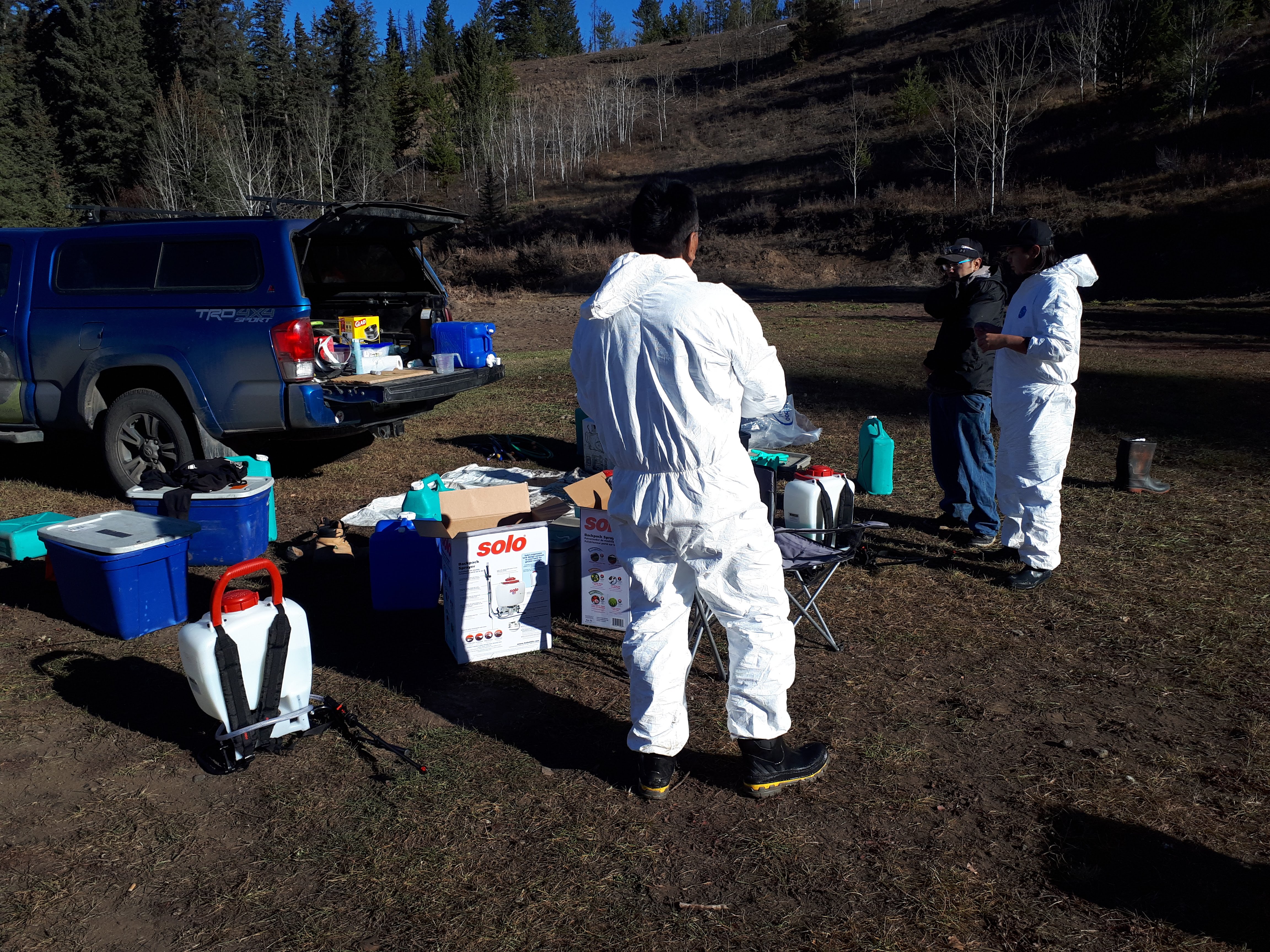
Developed curriculum covering label interpretation, personal protective equipment, equipment calibration, environmental conditions, non-target species protection, and spill response
Built course materials including slide decks, field demonstrations, and practice exam content aligned to provincial examination requirements
Combined classroom instruction with hands-on equipment handling and application technique demonstrations
Adapted delivery for mixed audiences including field crews, municipal staff, First Nations land stewards, and private contractors
R
Result
Over 80 participants trained across 30 days of instruction
Added 80+ certified applicators to the pool available for invasive plant management across British Columbia
Course materials reusable as standalone training resources for ongoing ISCBC program delivery
OperationsMonitoringPolicy
S
Situation
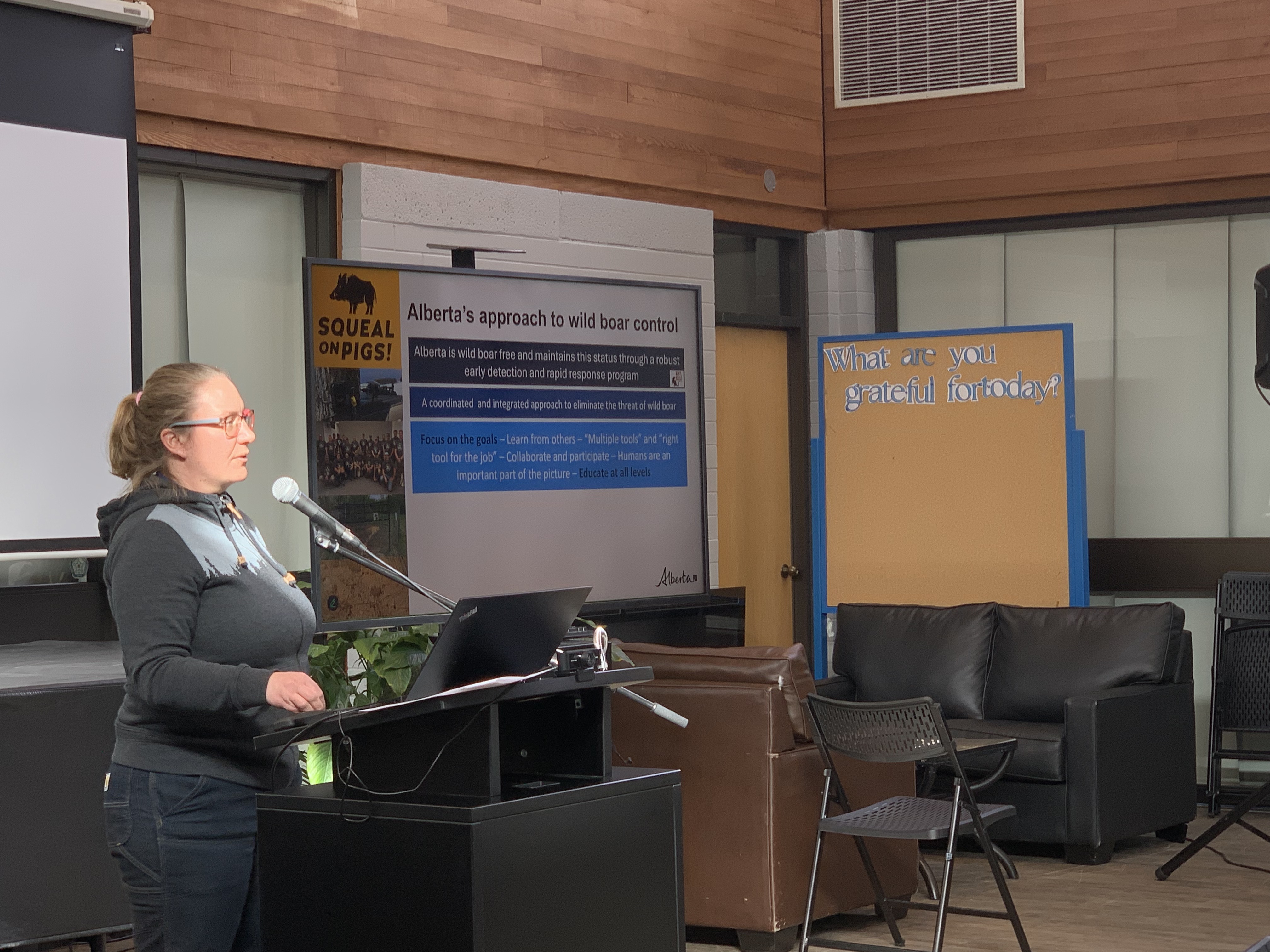
British Columbia has no established invasive pig populations, making early detection and rapid response capacity critical. The program aimed to build that infrastructure before pigs arrive, not after, with a focus on surveillance, trapping readiness, and public awareness tied to African Swine Fever preparedness.
T
Task
Program lead. Designed the full program from scoping and budget to delivery and federal reporting. Coordinated three First Nations governments and two universities, managed camera deployment across three regions, and oversaw trap procurement and staging.
A
Action
Deployed 86 wildlife cameras across three priority regions (Cariboo-Chilcotin, Kootenay, Peace) in partnership with UNBC, UBCO, and three First Nations governments (Tl'esqox, Saulteau, Doig River)
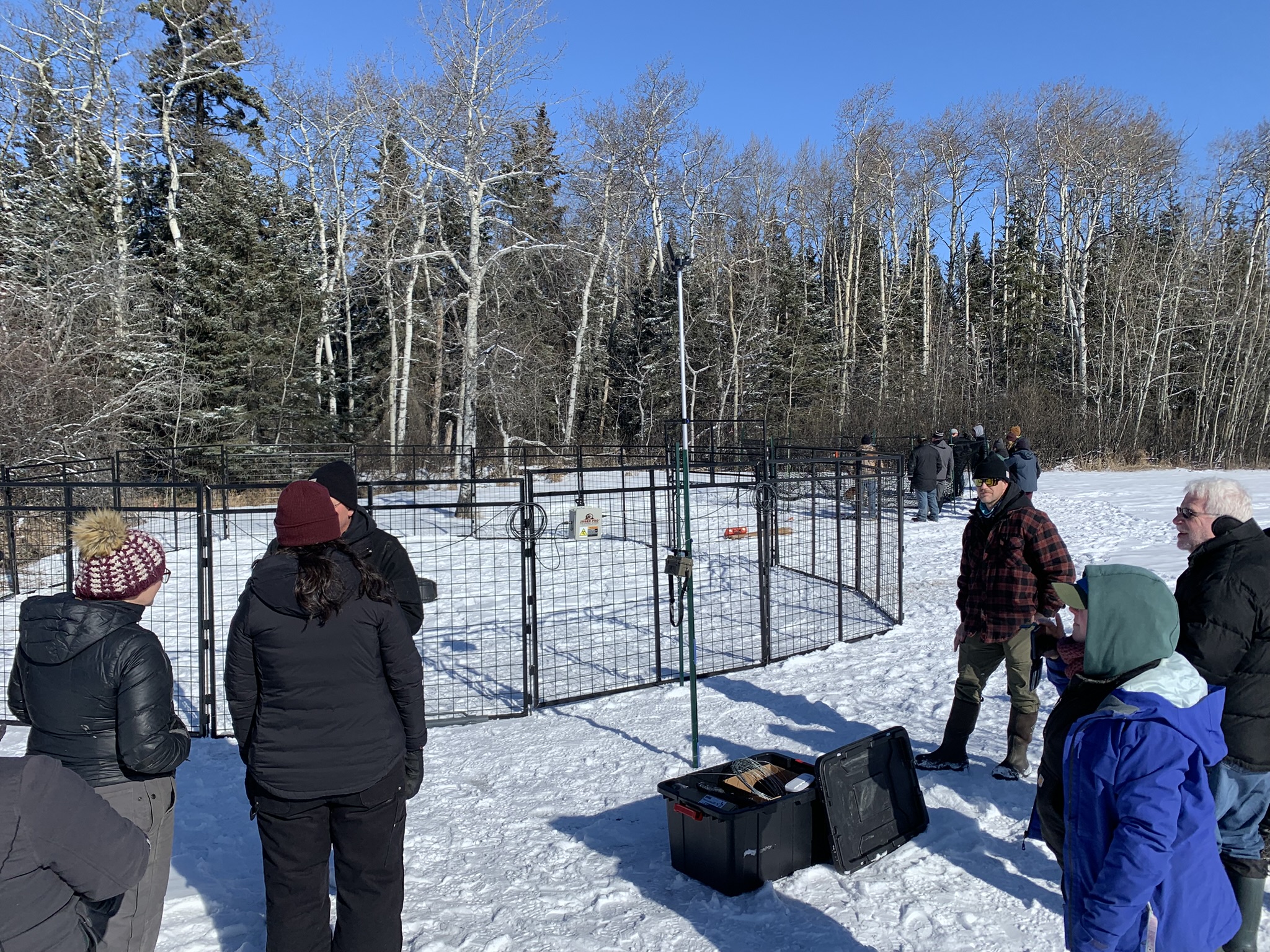
Purchased and staged seven invasive pig traps (five PigBrig Net systems, two Jager Pro Corral systems) for provincial early-detection and rapid-response mobilization
Co-developed and hosted two hybrid workshops in Fort St. John and New Westminster with 80+ combined attendees
Developed 20 outreach and education resources including bilingual infographics, factsheets, brochures, videos, and youth materials
Represented ISCBC at five outreach events including UBCM and the Pacific Agriculture Show
Launched the Squeal on Pigs centralized webpage with detection map and reporting tools
Produced the Guide to Invasive Pig Trapping in BC with a multi-sector advisory committee
R
Result
86 cameras operational in three regions; no pigs detected prior to March 31, 2025
Seven traps staged and ready for provincial mobilization
20 preparedness tools developed, exceeding the original target of 13
Workshop feedback informing BC Ministry of Water, Lands, and Resource Stewardship's Invasive Pig-Free Strategy
National expert network established including PigBrig, Jager Pro, University of Saskatchewan, and Government of Alberta
FacilitationOperations
S
Situation
Young people interested in environmental action often lack the funding, infrastructure, and mentorship to deliver meaningful community projects. This program created that scaffold while building ISCBC's internal capacity to run grant disbursement programs for the first time.
T
Task
Program designer and team lead. Built ISCBC's grant disbursement infrastructure from scratch, led a team of four grant coordinators through the full program cycle, and managed all federal reporting to ESDC.
A
Action
Designed and operationalized ISCBC's first grant intake, review, and disbursement system from scratch
Assigned dedicated grant coordinators to each recipient for structured coaching at project start, midpoint, and close
Facilitated skill-building events including a Cultural Safety workshop, Eco Stewards workshop, and ISCBC Forum participation
Recruited through ISCBC volunteer network, social media, rural newspaper advertising, and partners including BC Metis Federation
Secured in-kind partners Canadian Council on Invasive Species ($6,500) and Freshwater Fisheries Society ($1,500)
Led a team of four grant coordinators through the full program cycle
R
Result
57 youth-led environmental projects delivered across Canada
4 jobs created through the program
100% of survey respondents indicated they developed life-long skills
98% indicated increased confidence
43 of 43 survey respondents indicated participation helped them explore personal interests
The program directly informed ISCBC's approach to youth engagement and grant disbursement
PolicyScientific CommunicationFacilitation
S
Situation
Utility corridors in British Columbia span thousands of kilometres across varied ecosystems, land tenures, and jurisdictions, creating high-risk pathways for invasive species spread. BC Hydro and FortisBC partnered with ISCBC to develop sector-specific best management practices and practitioner training for transmission and pipeline vegetation management. A multi-sector advisory committee including BC Hydro, FortisBC, Trans Mountain, Enbridge, First Nations representatives, and regional invasive species committees shaped the scope and content.
T
Task
Project lead and advisory committee co-chair. Led the multi-sector committee, authored the BMP document, and designed the training workshop series in collaboration with BC Hydro, FortisBC, Trans Mountain, Enbridge, First Nations representatives, and regional invasive species committees.
A
Action
Co-chaired an advisory committee of utility operators, First Nations representatives, and regional invasive species committees to shape BMP scope and training priorities
Authored best management practices document covering invasive species identification, risk assessment, operational controls, and reporting pathways across transmission and pipeline rights-of-way
Designed a training workshop series tailored to field crews, contractors, and operations staff working on utility corridors
Coordinated technical input from utility companies, regulatory agencies, and invasive species specialists to ensure practical applicability
Integrated provincial regulatory requirements and biogeoclimatic considerations into BMP recommendations
R
Result
BMP document in final stages, pending advisory committee review and desktop publishing
Training workshop curriculum in development for rollout in 2026
Advisory committee structure established as a model for sector-wide collaboration on invasive species management
Framework available for adoption across BC transmission and pipeline operators